 The opening days of 2017 promise new hope for Nigerians after a year Nigeria suffered the bite of economic contraction, socio-political instability and crisis in the nation’s northeast.
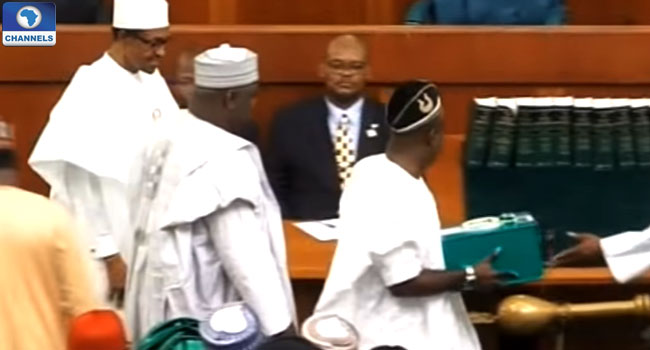
Ahead of the National Assembly’s resumption this month, Nigerians are hopeful that the controversies surrounding the 2016 budget formulation and enactment process will not be repeated in the 2017 exercise.
With acute foreign exchange shortfalls and Naira devaluation, businesses still grapple with the hangover effects of last year’s economic conditions.
Nigerians now convey expectations that political intrigues will not sabotage the budget process.
It is a scorching hot day in Wuse Market, Abuja, and the stalls are still brimming with goods, but many are low on patronage.
Nigeria’s foreign exchange crisis has resulted in higher production costs, unaffordable import quotations for manufacturers and price hikes for Nigerian consumers who endure stagnant wages.
One of the merchants in Wuse market, Uche Echelubo, expressed concerns that after the 2016 budget debacle, if funds were misdirected in the 2017 budgeting process, Nigerians would not have the capital to patronise their stores.
But a member of the House of Representatives, Johnson Agbonayinma, says the House’s desire is to ensure that the budget caters to the needs of poor Nigerians cuts across party lines in both chambers.
From September to December 2016, a record 34 bills were passed concurrently in both chambers for presidential assent, a pace, which Honourable Agbonayinma, believes will portend quick passage of the budget for expeditious implementation.