The Federal Government has called on states to seek alternative power solutions beyond the national grid to enhance energy security, following a recent prolonged blackout in northern Nigeria.
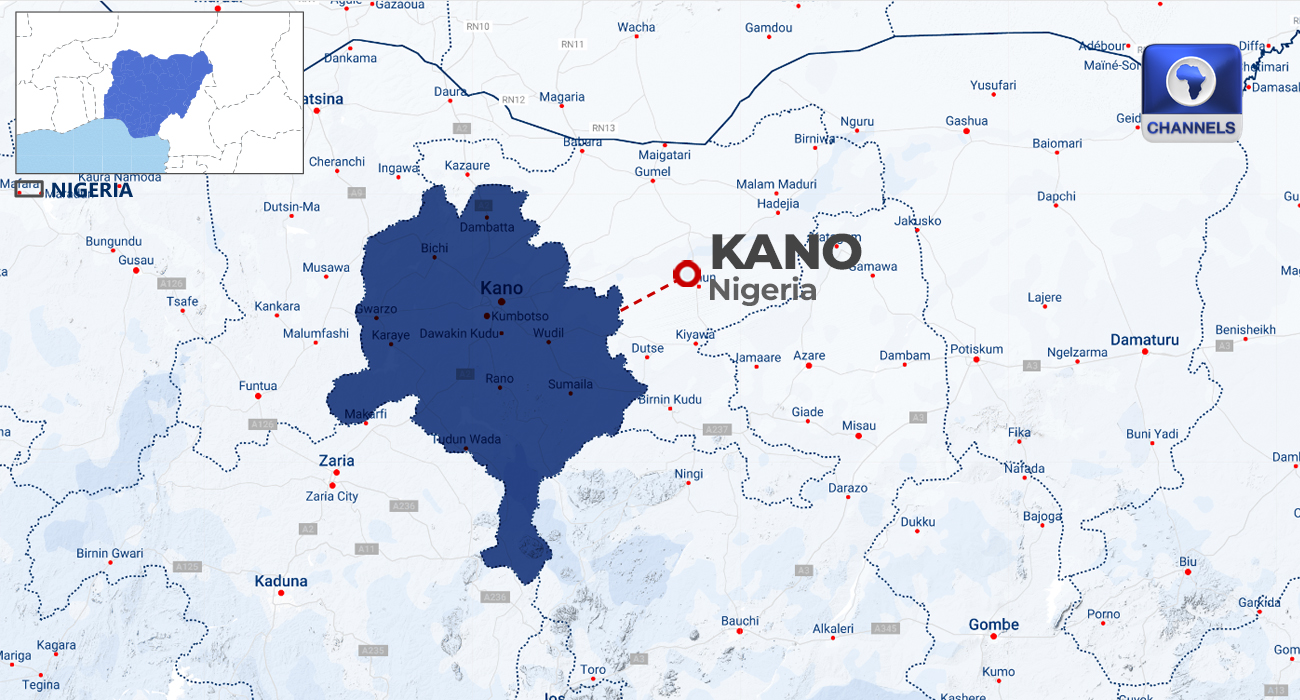
The appeal came from the Minister of Power, Adebayo Adelabu, during his visit to Kano State, where a nine-day power outage severely impacted local industries, healthcare facilities, and financial institutions.
Speaking in Kano, Adelabu stressed the need for states to become energy-resilient to avoid similar crises.
“It is essential that states begin to think beyond the national grid,” he said. “This way, we can protect our communities from the impacts of unforeseen disruptions.”
The outage, resulting from vandalism on the Shiroro-Mando 330kV transmission line, has taken a significant economic toll, with Kano State officials reporting losses amounting to billions of naira.

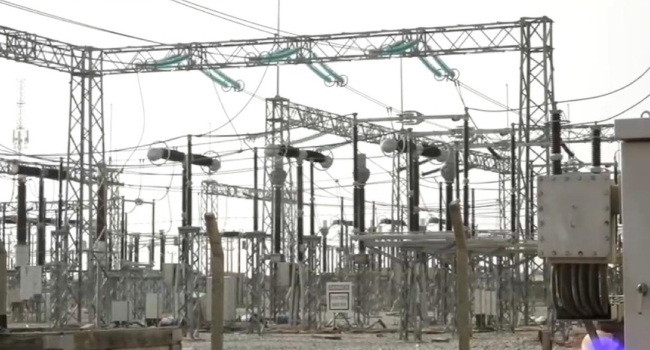
During his visit, Adelabu inspected critical power infrastructure and met with Kano Distribution Company (KEDCO) representatives to discuss strategies for expanding and securing the region’s power supply.
The Minister’s itinerary included a visit to Zawaciki, where he commended Bagaja Renewables for their 1MWp mini-grid, which continued to supply electricity to the Gida Dubu community during the crisis.
“This mini-grid is a testament to what renewable energy can achieve,” Adelabu noted. “It showcases the potential of decentralized power solutions in ensuring resilience and energy access, even in challenging times.”
READ ALSO: Nigeria Ready To Host Africa Energy Bank, Says FG

The Managing Director of Bagaja Renewables, Sadiq Zakari, highlighted the project’s impact, saying, “Zawaciki stands as a model for what is possible when the private sector drives innovative solutions to our energy challenges. With the right policy support, projects like this can form the backbone of a resilient energy future for Nigeria.”

Kano State’s Governor Abba Yusuf expressed frustration over the outage’s impact, citing disruptions across vital sectors.
“The blackout has cost our industries and businesses billions in losses, as well as hindered essential services, from healthcare to education,” Yusuf said in a statement through his Chief of Staff, Shehu Wada Sagagi.
The Governor emphasized Kano’s vulnerability to grid fluctuations due to its distance from the national grid and called for federal assistance in boosting the state’s energy supply.
Yusuf also advocated for the completion of critical projects, including the Kaduna-Kano and Daura-Jogana-Kura 330kV transmission lines, to improve Kano’s electricity distribution.
“We appeal to the Federal Government to expedite work on these projects and consider increasing our megawatt allocation to meet our state’s growing energy demands,” he stated.
Highlighting the success of the Zawaciki mini-grid, Zakari disclosed that Bagaja Renewables is planning additional projects to expand renewable energy access across northern Nigeria. These include initiatives like the Kura-Karfi Commercial Cluster in Kano and the residential Barhim Estate in Katsina, aimed at supporting economic development and enhancing household energy access.
Zakari added, “During the power outage, our mini-grid provided uninterrupted electricity, making Gida Dubu one of the only communities with consistent power in the state. This experience demonstrates the power of renewable energy to bridge the gaps in Nigeria’s energy landscape.”

As states explore new energy solutions, the Federal Government remains committed to supporting such projects.
“The partnership between KEDCO, the Rural Electrification Agency, and organizations like Bagaja Renewables shows that collaboration can accelerate clean energy access, especially in underserved regions,” Adelabu remarked.
The Kano State Government has assured residents that it is committed to long-term energy solutions.
“Our independent hydropower plants and other initiatives will play a critical role in addressing Kano’s electricity needs and safeguarding our economy and public services from future outages,” Yusuf noted.
Bagaja Renewables has affirmed its commitment to driving a renewable-powered future for Nigeria, partnering with the government and stakeholders to ensure that all communities, industries, and essential services have access to sustainable energy solutions.