Serbia’s President warned on Tuesday that the government may have to completely cut ties with its largest oil firm, as US sanctions squeeze the majority-Russian-owned company.
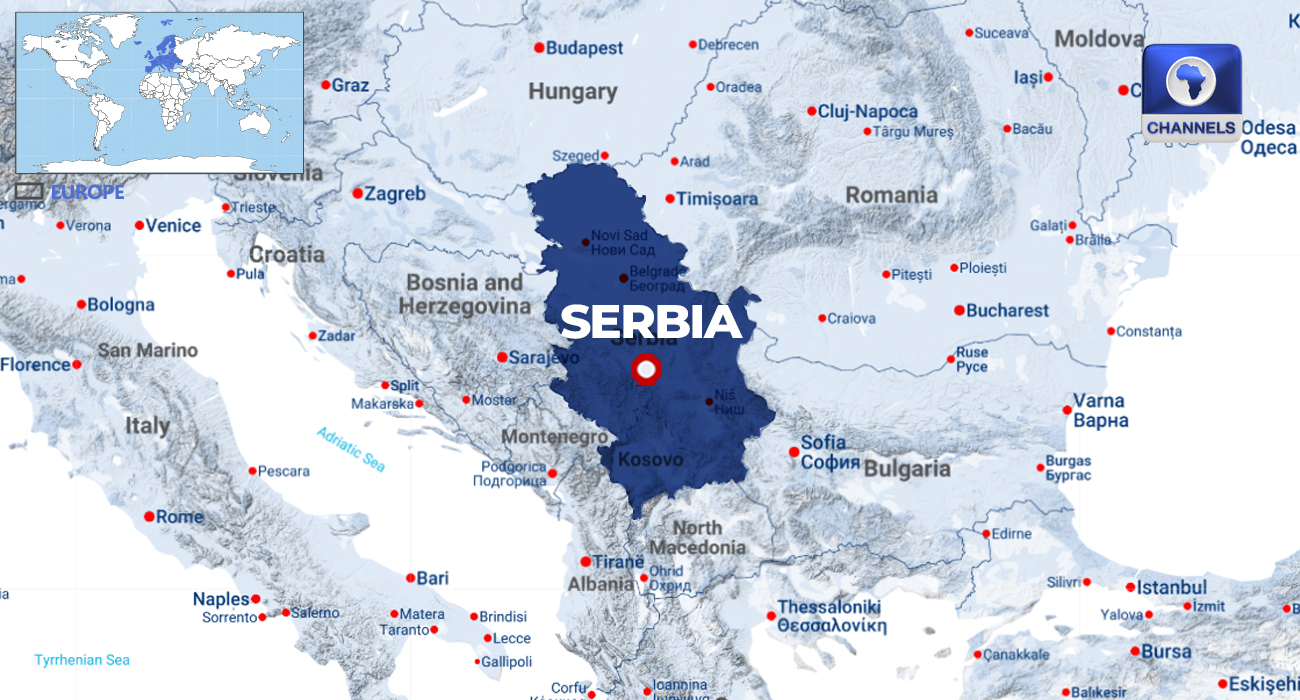
Since October 9, Serbia’s only oil refinery has been unable to receive crude oil after it was hit by sanctions as part of Washington’s broader crackdown on Russian energy following the invasion of Ukraine.
Facing a shutdown of the Petroleum Industry of Serbia’s (NIS) refinery within days, President Aleksandar Vucic also said that if sanctions continued, the government would need to stop all payments to and from the company.
The firm, which operates a fifth of the country’s petrol stations, would also be forced to close its retail outlets.
“There will be enough fuel, but people will simply have to use other petrol stations,” Vucic told a press conference.
The government said it had enough stockpiled fuel to supply other companies not caught up in the measures.
NIS would be allowed to access payment services for the rest of the week, mainly to pay employees and settle with suppliers.
But the Vukic said a prolonged operation could risk secondary sanctions and “the complete destruction of the Republic of Serbia’s financial system”.
READ ALSO: Serbia’s Only Oil Refinery Faces Shutdown Due To US Sanctions
Last week, the National Bank of Serbia flagged concerns over being caught up in secondary measures.
NIS supplies 80 percent of the fuel market, according to trade ministry data.
Belgrade is waiting for Washington’s decision on a requested sanction reprieve, as negotiations between the Russian shareholders and potential buyers continue.
“We cannot mislead our Russian partners, and we do not wish to mislead anyone with false good news, because such good news from Washington simply does not exist,” Vukic said.
He had previously set a 50-day deadline for the sale of the company — including bidders from Hungary and the United Arab Emirates —- to meet the US demand for Russia to exit the company’s ownership.
As negotiations drag on, officials have flagged a possible state takeover, despite previously rejecting the option due to Serbia’s close ties to Moscow.
Parallel discussions on gas supplies are also under way between Belgrade and Moscow, which provides around 90 percent of the gas used in Serbia, and whose current contract expires at the end of December.
Vucic said that if a new contract was not agreed by Friday, his country would look elsewhere.