In a country rich with culture and resources, buying Made-In-Nigeria goods should be a no-brainer. Yet, despite the skyrocketing prices of imported goods and the exit of multinational companies, many Nigerians still prefer foreign products.
Let’s explore why this is the case, focusing on the food, fashion, and furniture industries.
The Economic Landscape
The devaluation of the naira has significantly impacted the purchasing power of the average Nigerian. With inflation on the rise, the cost of living has become a major concern. Imported goods, once seen as luxury items, have become even more expensive, yet they still dominate the shelves of supermarkets and markets across the country.


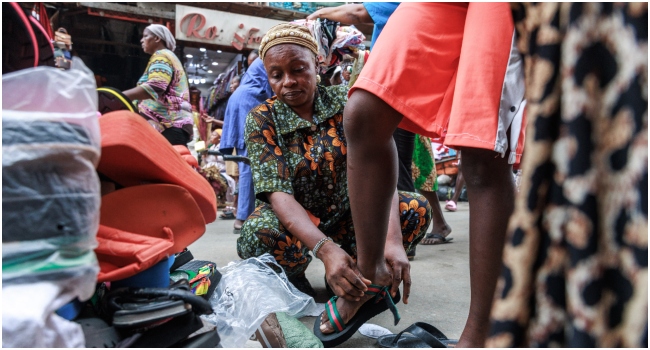
The Food Industry
Imported vs. Local: Despite the high cost of imported food items, they are often perceived as being of higher quality. Many supermarkets stock more foreign goods than local ones, partly due to consumer demand and partly because of the perceived inconsistency in the quality of local products.
Affordability: Locally produced food items, such as rice and processed foods, are often more expensive than their imported counterparts. For example, a bag of locally produced rice can cost significantly more than imported rice, making it less accessible to the average Nigerian.


The Fashion Industry
Quality Perception: Nigerian fashion is vibrant and unique, yet many consumers still prefer foreign brands. This is largely due to the perception that foreign clothes are of better quality and more fashionable.
Cost Factor: High-quality Nigerian-made clothes are often priced out of reach for the average consumer. For instance, a locally made Ankara dress might cost more than a mass-produced foreign dress, making it a less attractive option for budget-conscious shoppers.



The Furniture Industry
Raw Material Challenges: The furniture industry faces significant challenges in sourcing high-quality raw materials locally. This often leads to higher production costs and, consequently, higher prices for consumers.
Market Preference: Many Nigerians still prefer imported furniture, believing it to be more durable and stylish. This preference is reinforced by the fact that many local furniture makers struggle to compete with the design and finish of imported pieces.
View this post on Instagram
Why Local Goods Aren’t Catching On
1. High Production Costs: The cost of producing goods in Nigeria is high due to factors such as unreliable power supply, expensive raw materials, and high taxes. These costs are passed on to consumers, making local goods more expensive.
2. Perception of Quality: There is a lingering perception that foreign goods are superior. This is a significant barrier for local manufacturers who struggle to change this mindset.
3. Limited Availability: Many supermarkets and markets stock more foreign goods than local ones. This limited availability of local products makes it difficult for consumers to choose Nigerian-made options.
4. Economic Constraints: With the devaluation of the naira and rising inflation, many Nigerians are focused on affordability. Unfortunately, high-quality local goods are often not affordable for the average consumer.
Solutions for Change
1. Government Support: Increased government support in the form of subsidies, tax breaks, and improved infrastructure can help reduce production costs and make local goods more competitive.
2. Consumer Education: Educating consumers about the benefits of buying local and the quality of Nigerian-made products can help shift perceptions.
3. Investment in Technology: By investing in modern technology and machinery, manufacturers can improve efficiency and reduce costs, making high-quality local goods more affordable.
4. Promoting Local Goods: Campaigns and initiatives that highlight the unique qualities and benefits of Nigerian products can encourage more people to buy local.
Conclusion
While the challenges are significant, the potential for Made-In-Nigeria goods to thrive is immense. By addressing the issues of cost, quality perception, and availability, Nigeria can create a more robust market for its local products. For now, the journey continues, but with the right support and mindset, the future of Nigerian-made goods looks promising.
Some Made-In-Nigeria Foods:
Banga Palm – Okomu Oil in Ovia, Southwest of Edo State.
Power Oil – Raffles Oil Lagos Free Trade Zone.
Farm Fresh Yoghurt—Integrated Dairies Vom Plateau State.
L&Z Fresh milk Yoghurt—L&Z integrated farm Zaria
Farm Pride Yoghurt: Niyya Farms Doka Village Kaduna
Mcnichols Sugar – Arepo Ibafo
Habib Yogurt – Zaria
Champion Suya Sausage – Made In Nigeria
Eggs – Funtuna Farms
Canned Tomato – Erisco Food
Ayoola Brown Beans – Ayoola Foods Ipaja Lagos
Irú / Locust Beans—Packaged By Quikiss Global Limited Ado Ekiti, Ekiti State
Sam Chili Pepper – Tamorel Limited, Maryland Lagos
Lintex Parboiled Rice – Produced By Lintex International Limited, Ibafo Ogun State.
Brown Beans—Awfod Foods Sangotedo Lagos
Indomie – Dufil; Sango Ota, Kaduna
Gari Ijebu – Balkeem Nigeria Limited, Ikorodu Lagos
Gaari Olooyo – Packed By King’s Menu, Magodo Lagos
Farm Pride – Zaria
Pasta – Golden Penny
Heneiken – Nigerian Breweries
Poundo Yam—Ayoola Foods
Wind Air Freshener – Cybele Cosmetics, Matori
Air Wick – Reckitt Benckiser, Agbara
What are your thoughts on this issue? Have you experienced any of these challenges when buying local products?