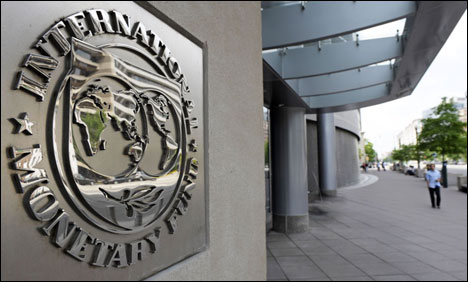
 Pakistan asked for a new bailout loan from the International Monetary Fund in Islamabad, settling on an initial package of $5.3 billion following weeks of talks with a visiting IMF delegation.
The request marks a step forward for Pakistan’s new Prime Minister Nawaz Sharif as he tries to find ways to fix the country’s finances and show his commitment to restructuring its economy.
But it also highlights a sense of urgency for Pakistan where the central bank has only about $6.25 billion left in reserves, enough to cover less than six weeks of imports.
Lodging a loan request is the first step in a potentially long process that will involve Pakistan committing to reforms, particularly on broadening its narrow tax base and cutting subsidies, which lenders say benefit mainly the rich.
Pakistan had originally asked for a $7.2 billion programme but settled on $5.3 billion after the talks.
Franks said he expected Pakistan to reach a budget deficit target of 6 per cent of gross domestic product as part of the three-year bailout loan programme, down from 8.8 per cent of GDP in 2012-2013.
The country has already once averted a balance of payments crisis in 2008 after securing an $11 billion IMF loan package. But the IMF suspended the programme in 2011 after economic and reform targets were missed.
Again, chronic gas and electricity shortages, violent crime and a Taliban insurgency have all hampered growth and contributed to falling foreign investment. The $230 billion economy grew 3.6 per cent in the last fiscal year, below a target of 4.3 per cent and well below growth rates of around 9 per cent seen 10 years ago.
Renewed anxiety over the nuclear-armed nation’s struggling economy is one of the many challenges facing its new government.
With reserves shrinking by around $500 million a month and many Pakistanis angry over unemployment as well as high food prices and crippling power cuts, Sharif is keen to be seen as decisive and capable of overhauling the economy.
Unemployment is officially at 6.3 per cent.
The new government has already made some steps towards reforms and has set an ambitious deficit target of 6.3 per cent of GDP for its 2013/14 although some analysts say it might be hard to meet.
It also plans a new energy policy to tackle power cuts, which frequently last 12 hours a day and have devastated the economy and fuelled unrest in parts of the country.
Islamabad already has a punishing schedule of repayments to the IMF from its previous loan agreement, which have put pressure on the rupee and raised concerns of a full-scale balance of payments crisis.
Conditions attached to a new IMF reform package could also prove unpopular, adding to concerns over stability at a time when Pakistan is already under pressure to contain a growing Islamist insurgency.
As the IMF wrapped up its talks in Islamabad, a suicide bomber rammed an explosives-ridden vehicle into a checkpoint in the volatile North Waziristan tribal region near the Afghan border, wounding three members of Pakistan’s security forces.