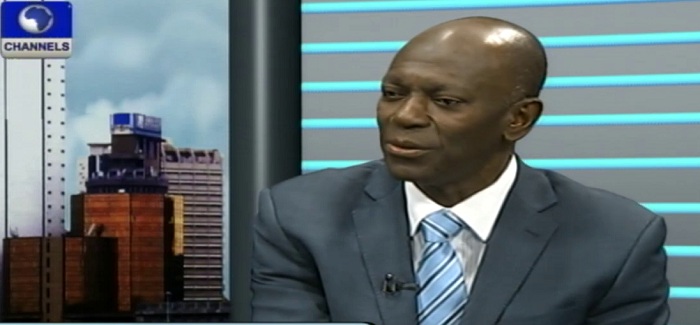
 The Deregulation of Nigeria’s downstream sector is one way to move the nation’s petroleum industry forward, an expert in the industry has said.
Reviewing the downstream sector performance in 2013, the Executive Secretary, Major Oil Marketers Association of Nigeria, Mr Obafemi Olawore, stressed that deregulation would bring in investments in the sector.
“If fully deregulated with rules, you will have the serious ones coming in,” Mr Olawore said.
The National Union of Petroleum and Gas Workers and the Senior Staff Association of the Petroleum and Natural Gas Workers have held a really claiming that the government is planing to privatise the refineries but Mr Olawore said their protest was appropriate as the government needed to regain the confidence of Nigerians before privatising the refineries, if they plan to.
The government on Thursday refuted the union claims, saying there is no plan to sell the nation’s four refineries.
“The government should explain to Nigerians why it wants to privatise the refineries. The refineries are not functioning at the level that we all expect them to function. We hear many times of turnaround maintenance and money is going and we are not seeing the effect.
“We believe that the only way to make the refineries function is to change the ownership structure. The government may still have some shares there but a private owner must drive the processes at the refinery,” he stated.
Transparent, Open And Competitive Process
Mr Olawore cited the sales of the Eleme Petrochemicals to INDORAMA and explained that the plant began to do well when the ownership changed.
He pointed out that the union was agitating due lack of confidence in the government.
“If you sell, looking at some other units that have been sold they are not too convinced that something better would come out. The government should engage them and explain to them for them to understand. If the government would be able to convince the agitating unions that the process would be transparent, open and competitive it will go a long way.
“For me, it could even be international. Bring in people that know about oil and not just bringing in friends to come and buy the plants and at the end of the day, they will not know what to do with it.
“Deregulation is the answer and the government must talk to the people and let them understand the advantages and show that in the area where there have deregulated, people are gaining and that whatever comes in as funds would be used for the benefit of the people.
Bad Year For Downstream Sector
On Channels Television’s programme, Business Morning on Friday, Mr Olawore pointed out that 2013 was a bad year for the downstream sector.
“We came into 2013 with hope that whatever we import, we will get a refund but it was not so.
“People should know that the subsidy refund is not dash money. It is what you have paid for and somebody is paying you back because you have been told to sell below the market price.
“We were hoping that we would be paid back on time but the refund delayed till December. Banks were on us demanding for their money and adding interest,” Mr Olawore explained.
He also said that the Foreign Exchange element affected the business.
“When you buy a product at 150 to 1 dollar, for instance, and you don’t get the money until the exchange rate has been raised to 160, it means that you incur a five Naira loss. Who bears that? He questioned.
The development underscores the need for a hedge fund that will enable importers cover such losses.
“There is no hedge fund that will give us protection for one year. Because increases come up in January so many feel that once there is a hiccup it will lead to increase in price.
He also dismissed the rumour about possible increase in the prices of petroleum products, saying it was mere speculation.
“I don’t think there is any plan to increase price,” he said.