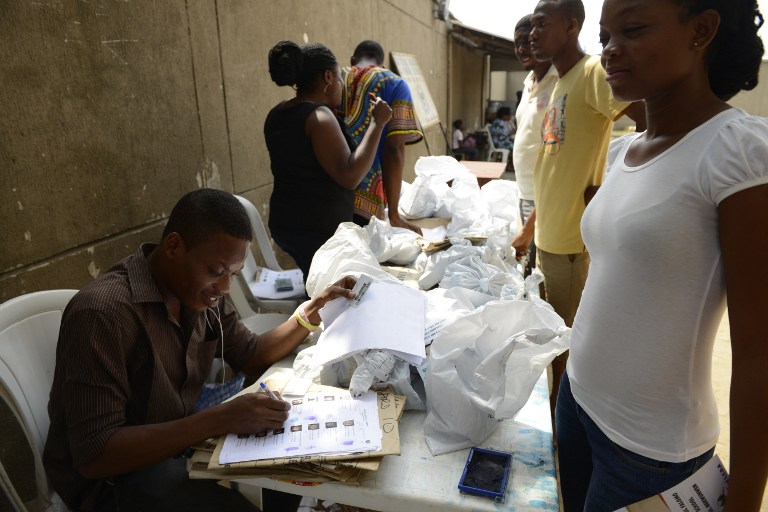
 Nigeria’s 2015 general election is less than 45 days away and while the Independent National Electoral Commission (INEC) has continued to say it is fully prepared for the elections, many Nigerians are yet to see how the card readers the commission intends to use in the voting process work.
It is the first time that the commission will be using card readers for elections and a source of worry for Mr Adeola Soetan of the Democracy Vanguard is the fact that there has been no simulation of how the card reader works.
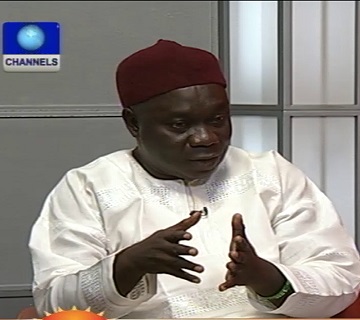
Moving from manual process to infusing technology in voting process is a milestone that requires high efficiency and that is the fears that Mr Soetan expressed on Wednesday, while giving his opinion on INEC’s preparedness for the 2015 general elections.
“There is need for a simulation. We do not want to witness the crises of bad election as seen in different countries here in Nigeria.
“So far, we have seen that INEC’s preparations are below average.
“You judge by what is happening now and not what has happened before.
“INEC has continued to say they would use card readers for the elections. We have not seen the card readers and the INEC has not shown or demonstrated how the card readers are to be used up till now,” he said, expressing worries that Nigerians may not know how these cards work.
If there is any election that Nigeria must conduct well, it is the 2015 general elections and the INEC has continued to reassure Nigerians of its commitment to ensuring that they get a a free, fair and credible election.
Stakeholders have continued to also prepare in their various capacities and Mr Soetan said the readiness of Nigerians for the elections gives hope of a remarkable election.
“I think our duty really is to assist in what ever forms. We are doing our best to assist INEC, electorates, stakeholders and the nation to have a successful free, fair and credible election.”
But as much as the these supports are there, Mr Soetan says the INEC’s preparations are still below average.
“Millions of Nigerians are yet to get their Permanent Voters Card (PVC) and the local government offices of the the INEC is as empty as I see them.
“Less than 42 days to the election, the PVC and registration have not been done properly… and it is the core of an electoral process.
“It is not a situation where you say people should travel kilometres to where they will pick their PVC.
“The INEC should create mobile units for collection of PVCs,” he suggested.
Still on how the card reader works and how adaptable it will be for the voting process, Mr Soetan pointed out that the INEC should have showed its preparedness by letting Nigerians know how much time it would take an individual to vote if the card reader would be used.
“A simulation of the card reader usage will enable us know what it takes for the system to work better.
“Many people do not even know how many minutes it will take to attend to one person. From our calculations it will take an average of 20 to 30 minutes to attend to an individual,” he stressed.
In highly populated states, an average of 20 to 30 minutes for an individual to vote is a huge amount of time and that may result in extension of voting into the night.
Not many Nigerians have the PVC and Mr Soetan stressed that “if there are no cards, there will be nothing for the card readers to read”. He further suggested that the INEC should consider allowing people with their old voters card to vote with it.
He also urged the INEC to ensure that Internally Displaced Persons in Nigeria’s north-east would be provided avenues to vote and not be disenfranchised.