Adamawa State government has collaborated with the European Union (EU) and the British Council to resolve the crises that recently occurred in the state.
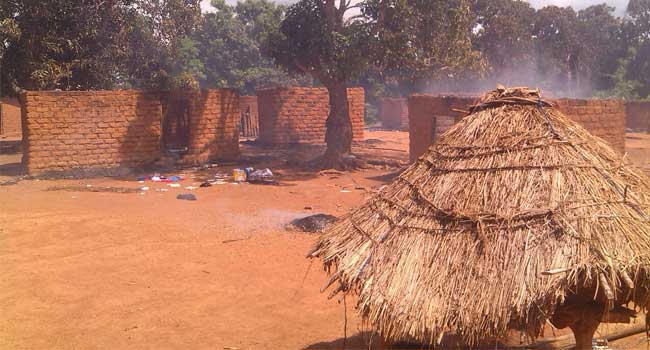
The Boko Haram terrorists’ tactics of suicide bombings in Madagali and Mubi axis, as well as the deadly perennial clashes between herders and farmers in Girei, Demsa, Numan and Lamurde areas of the state, are among the issues that have been a major concern to the government.
In a bid to enhancing conflict management and proactive capabilities in troubled communities, the state government convened a meeting over the weekend in Yola, the state capital.
The dialogue session was attended by representatives from the EU and the British Council, as well as security operatives and religious leaders among other stakeholders in the state.
Giving the opening address, Commissioner of Information and Strategy, Mr Ahmad Sajoh, said the meeting was convened to create an avenue for experts in conflict management to assist with the modern techniques in tackling crisis situations.
In their separate remarks, Professor Muhammad Tabi’u from the British Council of Nigeria gave reasons for conflicts in the society while Dr Agoso Bamaiyi, a resource person, spoke about the significance of peace.
On his part, Governor Mohammed Jibrilla who was represented by his deputy, Martins Babale, commended the organising partners for picking Adamawa as a pilot state for the event.
He also assured participants at the meeting that the state government would do everything to prevent a reoccurrence of the ugly incidents and maintain peace in the state.
The EU funded the dialogue under the Emergency Trust Fund for Africa with a budget of £21million which is to be implemented by the British Council for a period of four years (2017-2021).
It is expected to have 4,070 direct beneficiaries and approximately 2.3 million indirect beneficiaries, as well as provide technical assistance to government officials, community leaders, religious leaders, as well civil society organisations for effective early conflict management.