Israel and Iran traded deadly fire for a fourth day on Monday in their most intense confrontation in history, fuelling fears of a drawn-out conflict that could engulf the Middle East.
The longtime foes have fought a prolonged shadow war through proxies and covert operations, with Israel battling several Iran-backed groups in the region, including Hamas in the Gaza Strip since October 2023.
Here are the latest developments:
Mounting casualties
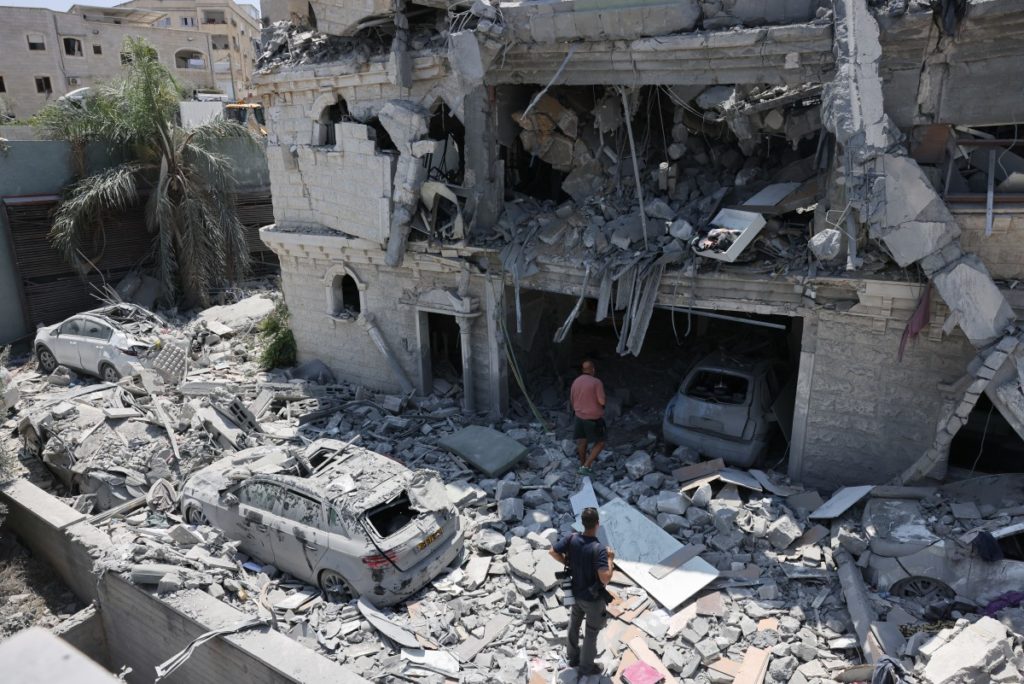
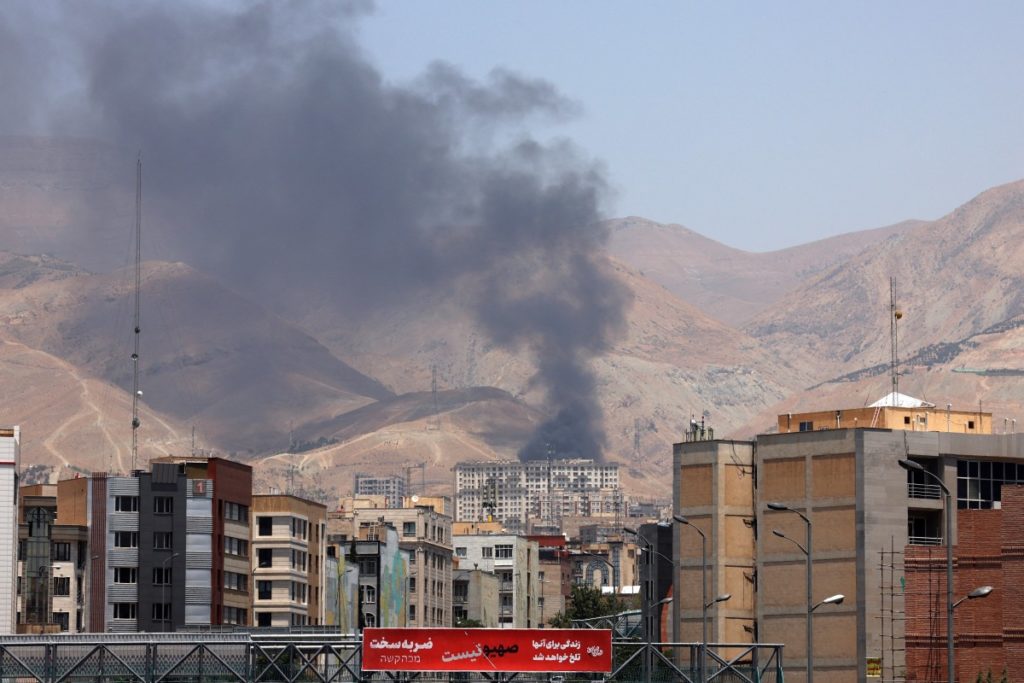
In a major campaign launched early Friday, Israeli fighter jets and drones have struck nuclear and military sites in Iran, also hitting residential areas and fuel depots.
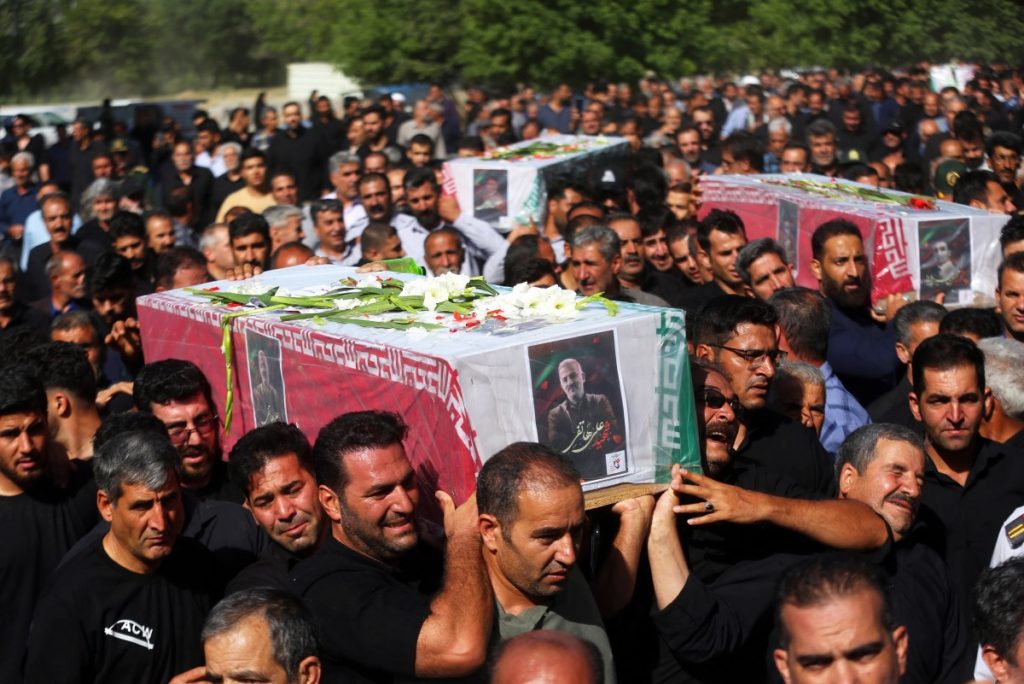
Iran’s health ministry says at least 224 people have been killed and more than 1,200 wounded.
READ ALSO: Iran Hits Tel Aviv After Overnight Israeli Strikes On Tehran
Tehran has responded with barrages of missiles and drones that hit Israeli cities and towns, killing at least 24 people and wounding 592 others, according to the prime minister’s office.
Israel has also killed many top military commanders and atomic scientists in Iran as part of an offensive that officials say seeks to end nuclear and missile threats from the Islamic republic.
Military targets
The Israeli military said that after a wave of strikes on Monday, its forces had destroyed one third of Iran’s surface-to-surface missile launchers.
According to military spokesman Effie Defrin, “we have now achieved full air superiority over Tehran”.
That followed a wave of intense air raids across the country, from the western border with Iraq to the capital Tehran and as far east as Mashhad, where the airport was hit.
In Tehran early Monday, Israel said it hit command centres belonging to the Quds Force, the foreign operations arm of the Islamic Revolutionary Guard Corps.
The Israeli army later issued an evacuation order for Tehran’s northern District 3, stating in the coming hours it “will operate in the area, as it has in recent days throughout Tehran, to strike military infrastructure of the Iranian regime”.
Reza Sayyad, spokesman for the Iranian armed forces, said their targets in Israel included “sensitive and important” security sites as well as “the residences of military commanders and scientists”.
Escalating threats
Sayyad, in a televised address, vowed a “devastating response” to the Israeli attacks, while the Revolutionary Guards in a statement warned they would hit more “vital targets” in Israel “until its complete destruction”.
Residential areas in both countries have suffered, with Israel accusing Iran of deliberately targeting civilians.
After deadly overnight missile fire, Defence Minister Israel Katz warned that “the residents of Tehran will pay the price — and soon”.
Diplomacy
The conflict has rapidly escalated despite calls from world leaders to halt the attacks.
China urged Iran and Israel to “immediately” take steps to reduce tensions and “prevent the region from falling into greater turmoil”.
Turkish President Recep Tayyip Erdogan told his Iranian counterpart in a phone call on Monday that Ankara was ready to play a “facilitating role” to end the conflict.

Speaking later to his Russian counterpart Vladimir Putin, Erdogan said the “lawless attitude” of Israeli Prime Minister Benjamin Netanyahu’s government “poses a clear threat to the international system”, adding that the Middle East “cannot tolerate a new war”.
US President Donald Trump has urged the foes to “make a deal”, but told reporters Sunday that “sometimes they have to fight it out” first.
Nuclear sites
Netanyahu has said the Israeli offensive aims to thwart the “existential” threats posed by Iran’s nuclear and missile programmes.
The fierce bombing campaign began as Tehran and Washington were engaged in nuclear talks — which have since been cancelled — and after warnings from the UN nuclear watchdog over Iran’s atomic activities.
Rafael Grossi, head of the UN’s International Atomic Energy Agency (IAEA), said on Monday there was “no indication of a physical attack” on an underground section of Iran’s Natanz uranium enrichment facility, and that radiation levels outside the plant were “at normal levels”.
The IAEA previously said that a key, above-ground component of Iran’s Natanz nuclear site was destroyed.
Grossi told an extraordinary board meeting of the UN agency that “nuclear safety is being compromised” by the conflict.
AFP