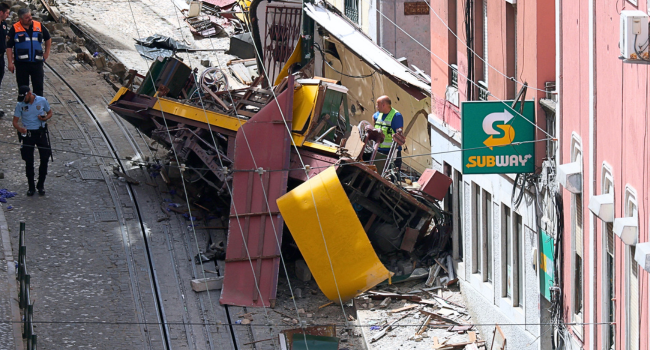
An investigation into the Lisbon funicular crash will publish its first report on Monday into the causes of the derailment, which killed 16 people in early September.
The accident, which saw the picture-postcard 19th-century Gloria tramway hurtle into a building after careering off the rails, shocked the Portuguese capital, laying bare fears over the safety of the popular yet ageing tourist attraction.
Portugal’s air and rail accident investigations bureau (GPIAAF) had previously found that a cable linking two cabins disconnected shortly before the September 3 crash, in a note published three days after the tragedy.
The GPIAAF is set to unveil its preliminary report on the accident’s causes by the end of Monday, with a final report, set to come with safety recommendations going forward, scheduled in the next year.
READ ALSO: Louvre Closes For Second Day As France Hunts Jewel Thieves

If that deadline cannot be respected, investigators could however release an intermediary report updating the public on the probe’s progress.
According to the investigators’ initial findings, the funicular was going at a speed of 60 kilometres (37 miles) an hour before it crashed. The whole incident happened in just 50 seconds, they added.
Eleven of the 16 victims were foreign nationals, with three UK citizens, two South Koreans, two Canadians, one Frenchwoman, one Swiss, one American, and one Ukrainian identified among the dead.
The crash also injured some 20 people, including at least 11 foreigners.
The Portuguese victims included four members of staff from the same social care institution, whose offices sit at the top of the sheer side road serviced by the funicular.
‘Time bomb’
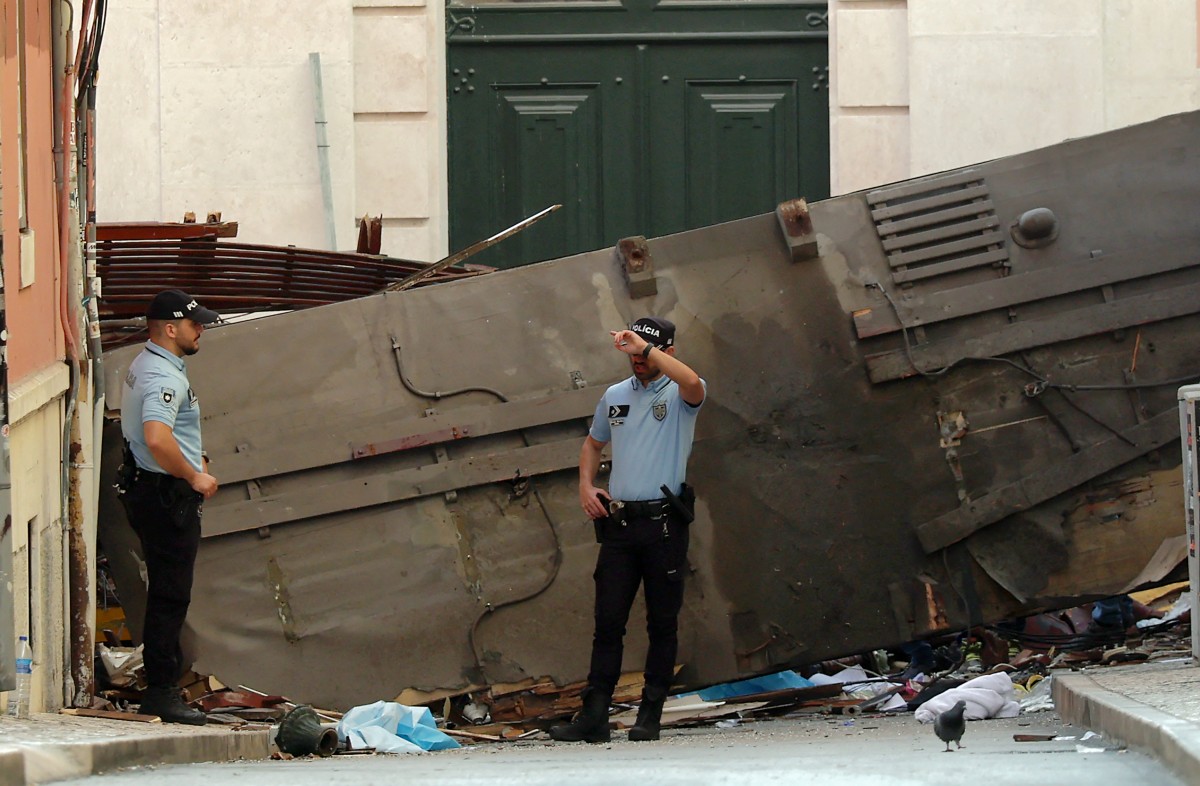
First opening in 1885, the Gloria’s two wagons have been propelled up the steep hill by a system of counterweights across its 265-metre (870 feet) track, up and down a 48-metre incline.
Investigators said that a routine inspection on the morning of the accident found nothing unusual about the cable that snapped.
But Carlos Neves, who heads the mechanical engineering college of Portugal’s engineering regulator, told AFP that the points where the cable latches onto the cabins would only be visible when they are replaced every two years.
According to the GPIAAF’s note, the Gloria’s driver had activated the funicular’s brakes, but those were unable to halt the carriage without the counterweight system’s help.
“It’s structural security flaw,” said Neves, comparing it to “a time bomb”.
“How is it possible that a public transport system did not have an effective security system? In my opinion, that’s the big question that needs answering,” the engineer added.
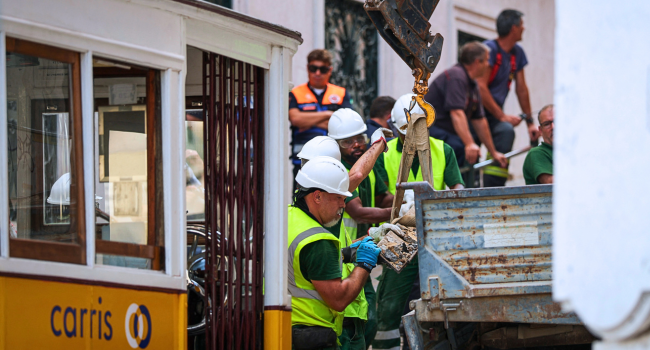
In the wake of the Gloria’s derailment Lisbon’s other funiculars have remained closed while investigators assess their safety.