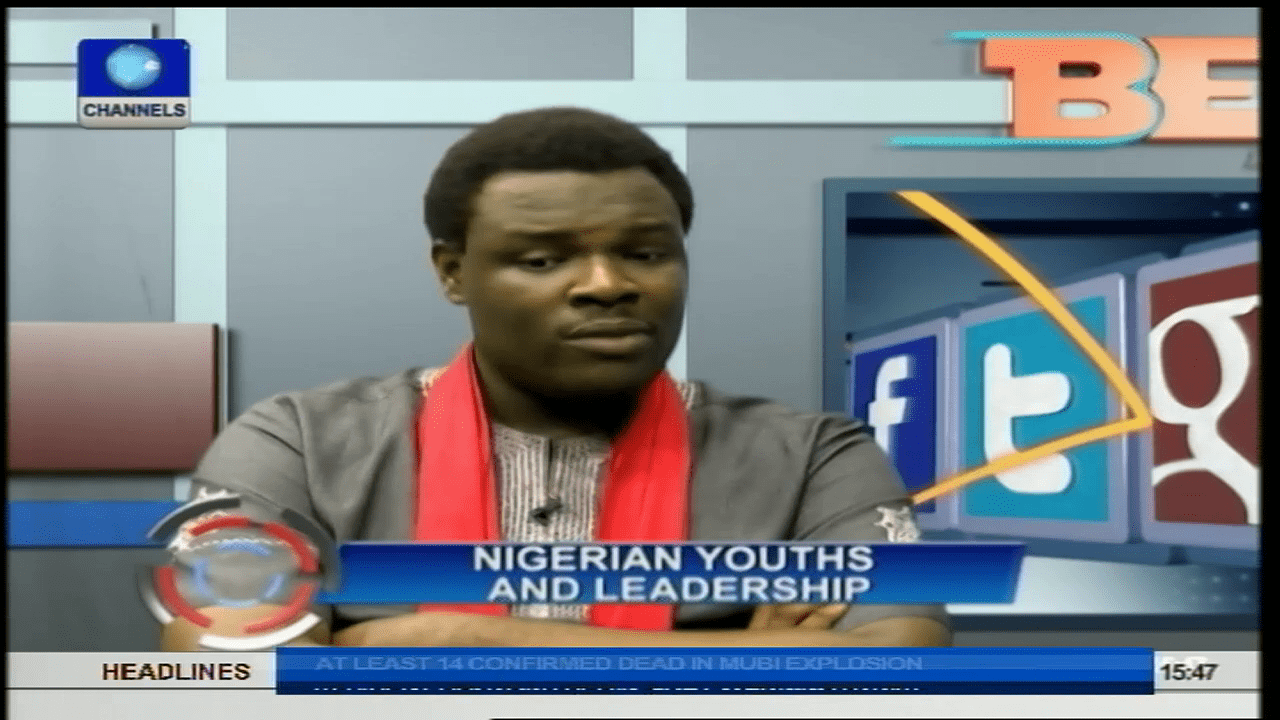
Nigerian media entrepreneur and television host, Chude Jideonwo, has opened up about living with Tourette’s syndrome, describing the condition as one that can make the body feel “out of control” while also highlighting the deep-rooted stigma surrounding it, particularly in Africa.
He made the disclosure during an interview with BBC News Africa, where he reflected on his diagnosis and the challenges of discussing the neurological disorder publicly.
Tourette’s syndrome is a neurodevelopmental disorder characterised by sudden, involuntary, and repetitive movements or sounds known as tics.
Although there is no cure, symptoms can be managed through behavioural therapy and, in some cases, medication.
Jideonwo described the condition as one that can feel overwhelming and unpredictable.
“Tourette syndrome is a neurological condition where it feels like your body misfires, where it feels like your body is out of your control in physical ways,” he said.
He noted that he began to consciously observe symptoms in his late twenties, adding that his case was relatively mild.
“The movement ticks, the vocal ticks. Corporeal, I had it very mild. So what it is that I repeat words constantly,” he explained.
Diagnosis, Fear Of Stigma
Recounting the moment he was diagnosed, Jideonwo revealed that his doctor advised him against speaking publicly about the condition due to fear of judgement.
“When I was diagnosed, my doctor warned me not to talk about it in public, that people were going to judge me, especially in Africa, which made me sad. But it also shows why people are not speaking out about it,” he said.
The media personality also shared how he manages the condition, including dealing with compulsive vocal tics.
“Previously, I used to say the F word a lot, F, F, F. I was doing it compulsively. I manage it by just being under pressure. So if I’m in public and not speaking, it’s because I’m holding myself back.
“I’m using my entire mind to hold myself. The second way to cope is just to say it out loud. Once I say it out, people understand the embarrassment, and the awkwardness goes down,” he said
Jideonwo criticised how Tourette’s syndrome is often depicted in Nigerian films, arguing that such portrayals reinforce harmful misconceptions.
“If you watch Nigerian movies, the representations of people with Tourette’s are usually that they are demon-possessed or there’s something wrong with them,” he said.
Reaction To BAFTA Incident
He also referenced a controversial moment at the BAFTA Film Awards 2026, where an activist, John Davidson, involuntarily shouted a racial slur during the ceremony, an incident later linked to Tourette’s syndrome.
The episode drew widespread backlash, with organisers issuing an apology and launching an independent review after the moment was broadcast.
Jideonwo said the incident highlighted the urgent need for empathy and better understanding.
“It broke my heart deeply to see what happened at the BAFTAs. It just showed me how much work still needs to be done.
“When someone nominated for a BAFTA award was judged so harshly. I just thought, ah, God, we need a world with more empathy and where we suspend judgement until we know what people are really going through,” he said.
Jideonwo disclosed that he became more open about his condition after seeing Billie Eilish speak about her own experience publicly.
“I only talked about it because I saw an American celebrity, Billie Eilish, talk about it on The Ellen Show. And so because of that, I got comfortable talking about it. And now I talk about it everywhere.
“I wrote it in my book. I talk about it. I write articles about it. I think that visibility is the primary contribution I can make towards normalising and creating a field of support, especially for young people who are dealing with this,” he said.
In recent years, several public figures have helped to increase awareness of Tourette’s syndrome and related tic disorders by sharing their experiences. These include Lewis Capaldi, David Beckham, Seth Rogen, and Tim Howard.