Chileans head to the polls on Sunday in an election where public concerns about security and migration have become central issues.
Candidates across the political spectrum are emphasising proposals to address these challenges.
Over the past decade, Chile has experienced a rise in crimes such as homicides, kidnappings, and extortion, prompting a national conversation about how best to strengthen public safety in a country long regarded as one of the safest in the region.
Current polling suggests that the principal left-wing candidate, Jeannette Jara, a 51-year-old member of the Communist Party running as part of a broad coalition, is likely to lead the first round of voting on Sunday.
READ ALSO: UK To Cut Protections For Refugees Under Asylum ‘Overhaul’
But far-right leader Jose Antonio Kast is tipped to emerge victorious in December’s run-off.
“We need someone who shows an iron fist,” Jacqueline Ruz, a 56-year-old Kast supporter, told AFP at his final rally this week in Santiago.
“Third time lucky!” Kast, the ultraconservative candidate and father of nine who first ran for president in 2017 and was runner-up in 2021, assured the crowd.
Outgoing center-left president Gabriel Boric, who is barred from seeking a second consecutive term, has made some strides in fighting crime.
Under his watch, the murder rate has fallen 10 per cent since 2022 to 6 per 100,000 people, slightly above that of the United States.
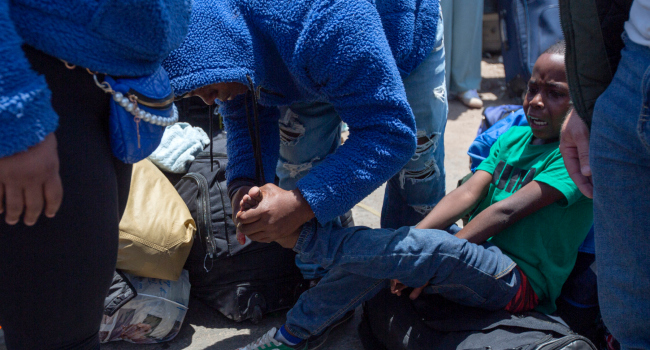
But Chileans remain transfixed by the growing violence of criminals, which they blame on the arrival of gangs from Venezuela and other Latin American countries.
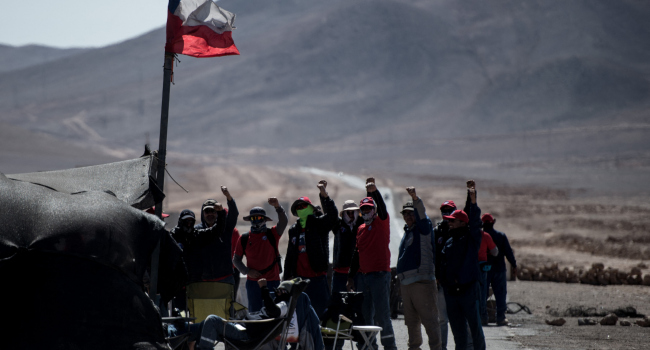
Kast, dubbed Chile’s Trump, has vowed to end illegal migration by building walls, fences and trenches along Chile’s desert border with Bolivia, the main crossing point for arrivals from poorer countries to the north.

Ahead of the election, he issued 337,000 undocumented migrants with an ultimatum to sell up and self-deport, or be thrown out and lose everything if he wins power.
Former YouTube polemicist Johannes Kaiser, who has outflanked Kast on the right, was closing in on the poll leaders in the final days of campaigning.
The 49-year-old libertarian MP, who has been compared to Argentina’s Javier Milei for his plans to radically downsize the state, campaigned as an outsider who shoots from the hip on crime, communism and family values.
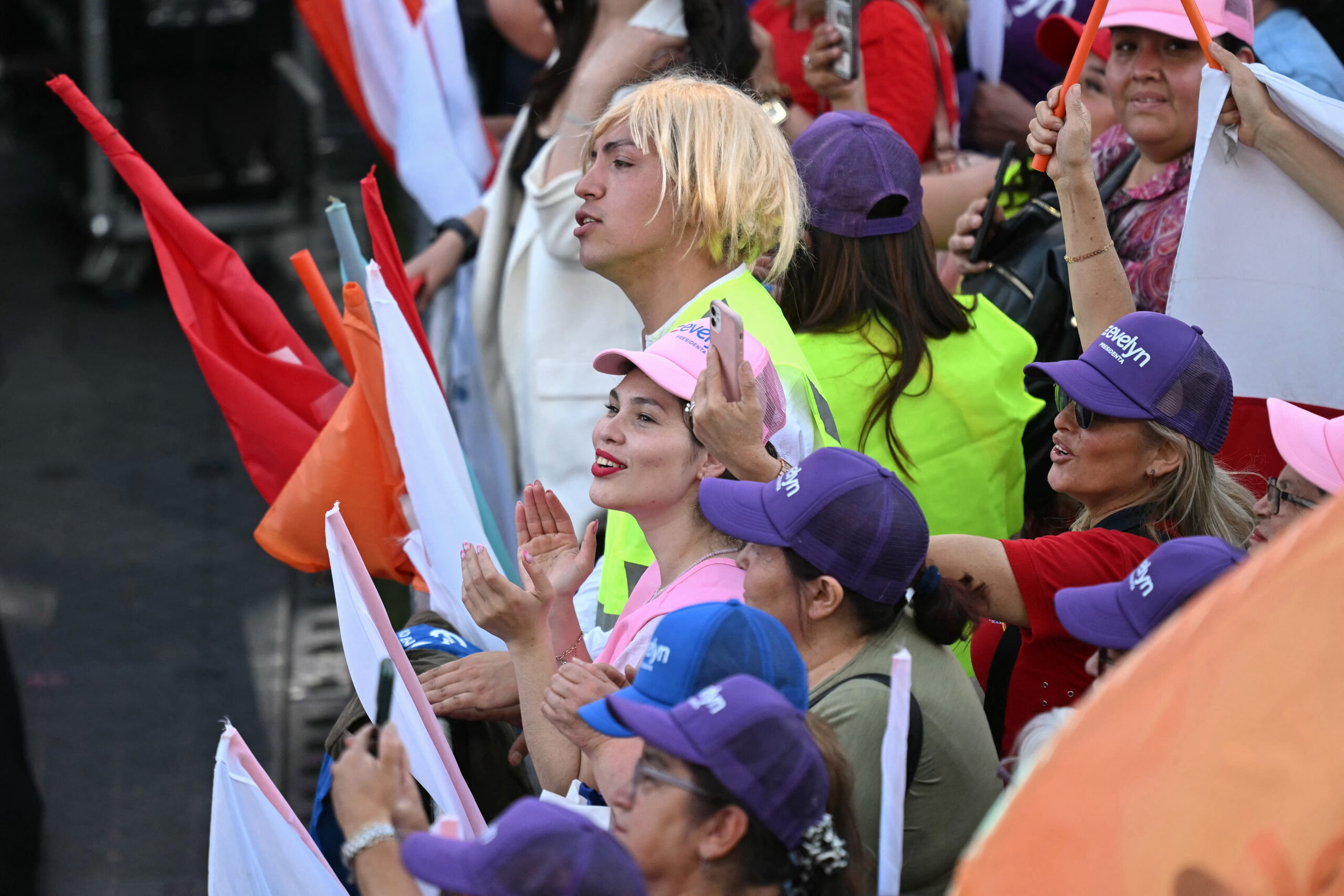
Faced with a race to the right, conservative ex-minister Evelyn Matthei, 72, struggled to make her mark.
Bellwether For The Left
The vote is seen as a litmus test for the future of South America’s left, which has been sent packing in Argentina and Bolivia and faces a stiff challenge in Colombian and Brazilian elections next year.
Guillaume Long, a senior fellow at the US Centre for Economic Policy and Research, said a win for the far-right “would have a big impact on Latin American politics.”
“I think you would see Chile playing a very aggressive role internationally, probably in close alliance with both Milei and Trump,” he told AFP.
Jara faces an uphill battle to overcome strong anti-communist sentiment and disappointment in the outgoing Boric administration.

Former student leader Boric defeated Kast in 2021 on a promise to establish a welfare state after mass demonstrations in 2019 over inequality.
But his presidency was fatally weakened after voters massively rejected a progressive new constitution months after his inauguration.
Pinochet’s Shadow
Kast would be the first far-right leader since the 1973-1990 military dictatorship of Augusto Pinochet if elected.
The son of a German soldier in Hitler’s Nazi army has defended Pinochet, who overthrew a democratically elected socialist president in 1973 and oversaw a regime that killed thousands of dissidents.
Jara, 51, is the only working-class candidate among the frontrunners.
She joined the Communist Party at the age of 14 but has campaigned as a moderate with a track record of reforms, including reducing the working week from 45 hours to 40 and raising the minimum wage.
She has pledged to ensure that “every Chilean family can easily make it to the end of the month.”
“Bread is very expensive, sugar is expensive, tea is expensive, and fruit is expensive. So we have to vote for her!” said 76-year-old Mireya Ortiz, who cleans offices to supplement her meagre pension.
Voting is compulsory for the first time since 2012, adding nearly 5 million people to the electorate.
Besides choosing a new president, voters will also elect members to the Chamber of Deputies and half of the Senate.