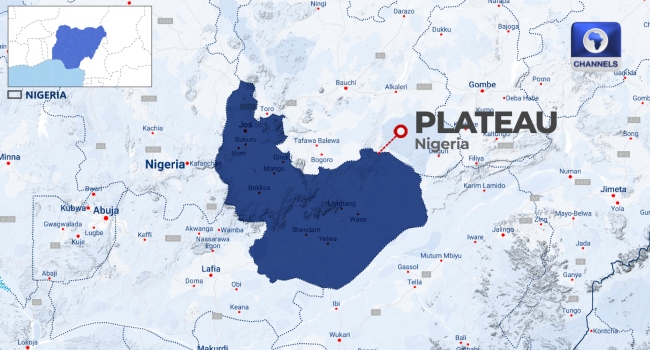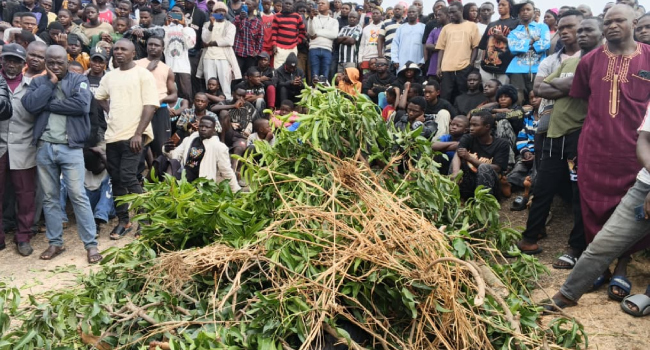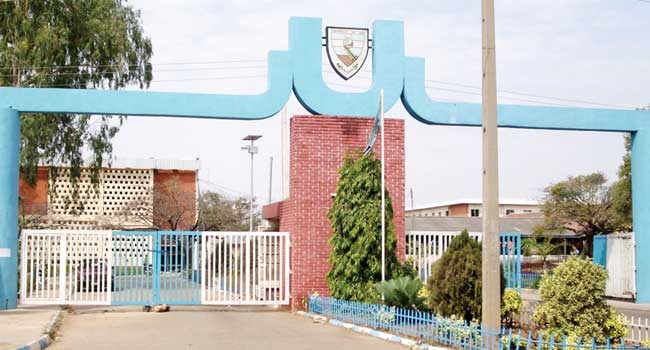
Academic activities at the University of Jos (UNIJOS) are set to resume fully following a return to calm after the deadly March 29 attack on the Angwan Rukuba community of Plateau State, which left over 33 people dead, including two students of the institution.
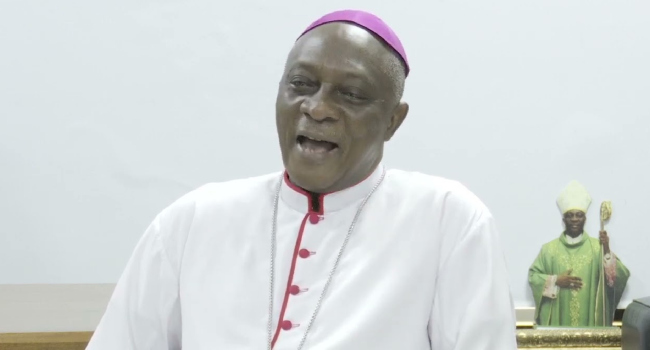
UNIJOS Vice-Chancellor, Tanko Ishaya, confirmed during a press briefing that the violence had a direct impact on the university community, resulting in the death of two students and injuries to three others.
“The aftermath of the killings left over 25 persons dead, and so many with various degrees of injuries,” he said on Thursday, while commiserating with affected families and communities.
He said, “We unfortunately lost two of our dear students,” while others, including a staff member, are currently receiving treatment for gunshot and related injuries.
The deceased students – Abel Joro Gershon and Adeyomo Oluwafemi Temitope – were killed in separate incidents linked to the crisis.
The attack on Angwan Rukuba, a host community to many students and staff, triggered a government-imposed curfew in Jos North Local Government Area, forcing the university to suspend and reschedule its ongoing first-semester examinations.
READ ALSO: ASUU UNIJOS Declares Indefinite Strike Over Unpaid March Salaries

Ishaya explained that examinations scheduled for March 30 through early April were postponed in line with security directives, a situation worsened by fresh violence on April 1 along Bauchi Road.
“In tandem with the security measures, the university management decided to reschedule examinations… to safeguard the lives of our staff and students,” he stated.
Amid the tension, many students were evacuated by state governments and organisations, a move the university described as counterproductive.
“Management made it clear that the university was not closed,” he said. “However, the process of evacuating students heightened fears that the campuses were insecure.”
Despite the unrest in surrounding areas, the vice-chancellor said that the campuses remained safe throughout the crisis.
“Let me state clearly that since the beginning of the crisis, no single breach of the peace was recorded on any of our campuses,” he said, adding that security agencies responded swiftly to protect the institution.
He disclosed that top security officials, including military and police authorities, visited the university to reinforce safety and reassure students and staff.
But with calm now restored, the university has fixed April 13 for the continuation of examinations.
“As we speak, campus security has been greatly enhanced,” Ishaya assured. “I want to assure students and parents that security has been beefed up on campus… and in the entire city of Jos.”
While normalcy gradually returns, the incident underscores the growing impact of insecurity on academic institutions, disrupting learning and exposing students to risks beyond campus walls.
The university management extended condolences to the families of the deceased and called for sustained support from the government, security agencies, host communities, and the media to prevent a recurrence of such tragedies.