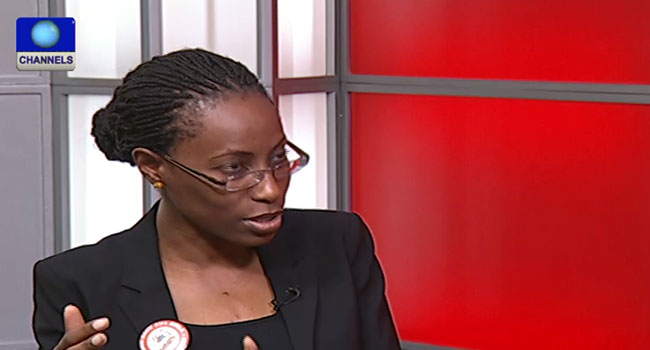
 A bill being considered by the Senate that is aimed at regulating the use of social media networks for publication of abusive statements that could be considered defamatory or slanderous is unnecessary, Yemi Adamolekun of Enough is Enough says.
Adamolekun said that the Nigerian Constitution had already provided for such situations in laws that proscribe different punishments for defamation and slander.
The proposed bill, which had passed its second reading in the Senate has triggered protest, with protesters saying that the bill would take away Nigerian’s right to their opinions and free speech against the excesses of government officials.
On Sunrise Daily on Wednesday, Adamolekun said she had not seen any reason the social media should be regulated.
“If you look at this bill, as a standalone bill, you already have laws that check what they are trying to check. So why do you need another law?
“The Cyber Crime Act that was passed by the last administration was used to punish some persons.
“Also part of the challenge of that bill is the vagueness of it. For you a word could be abusive while to others it could be a joke.
“I could suddenly decide that it is abusive and send you to jail,” she explained.
She expressed fears that the attention that the Senate had given to the bill made it looked like they actually wanted to stop Nigerians from raising issues with their way of governing the nation.
On the issue of regulation, she further said that owners of blogs and other social media networks regulate their pages to ensure that abusive words were filtered, stressing that bloggers could be prosecuted for slander or defamation.
“If I have a blog and you right something about someone that is not correct, I have the right to delete it.
“Focus should be on moderation of social networks and not on regulation, considering the fact that it is a platform where Nigerians have the freedom to express themselves especially when it comes to government officials. They are not used to people challenging what they do, how they behave and how they spend our money,” she explained.
Insisting that the problem is not regulation, Adamolekun suggested that what should be increased was surveillance of a certain type to ensure that what people share would not affect the security of the nation.
“Not the regulation but how to access information and conduct surveillance legally to guard against security issues,” she further stressed.