Nigeria’s Senate President has given the assurance that the upper legislative chamber would continue to work towards ensuring that things get better for Nigerians.
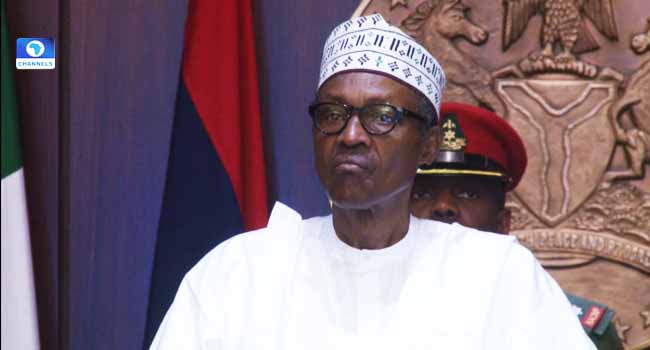
Senator Bukola Saraki made the promise while addressing reporters after he joined President Muhammadu Buhari at the Presidential Villa, in Abuja, to observe the Friday Jumat service.
“We Will Overcome”
He appealed to Nigerians to bear with the administration, as it strives to bring the country out of the current economic recession.
“We will continue to appeal to Nigerians to bear. We know we are all going through difficult times.
“In every country, people go through challenges. But with prayers and support, we will overcome it.
“The most important thing is for us to stay together and give each other support and continue to believe in this great country,” he stated
Senator Saraki further assured Nigerians that things would get better, saying; “we will all weather this storm and sail through together”.
Dr. Saraki, who was conspicuously absent at the Council of State meeting on Wednesday, arrived at the Villa at about 1:00p.m. local time for the prayer.
The Senate President also wished Nigerians, especially the Muslim faithful, a happy sallah celebration.
‘Changes Would Come’
Top government officials in Nigeria are making efforts to reassure citizens of their commitment to bringing the nation out of recession the oil-rich country officially slipped into last week after the National Bureau of Statistics released a report on the economy.
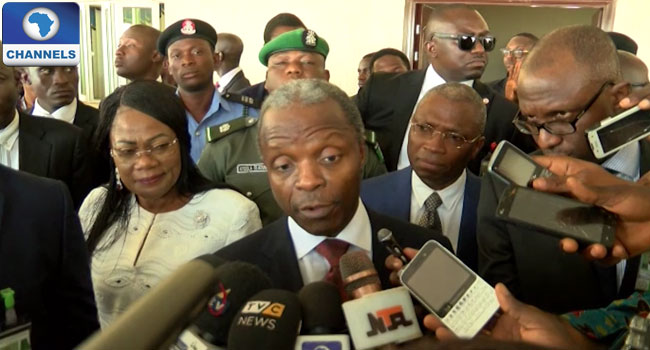
On Thursday, Nigeria’s Vice President, Professor Yemi Osinbajo, expressed optimism that the economic recession the country was battling with would be short-lived.
He said changes would come ‘once the Federal Government is able to resolve the issues concerning the pipeline vandalism and focus on sustainable diversification policy’.
The Vice President gave this assurance while speaking to reporters at the Redeemers University in Ede, Osun State.
Professor Osinbajo said that the loss of about 60 per cent of gas and 60 per cent of revenue were largely responsible for the economic challenges Nigerians have been facing.