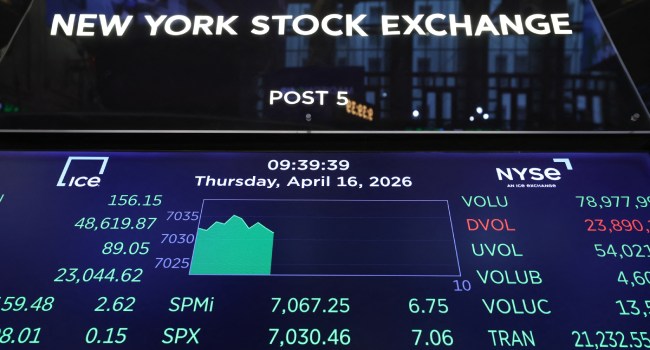
So you want to be a stock trader? Alright, buckle up. People love to talk about “easy money” and “building wealth.” They see those stories about overnight millionaires and think, “Hey, why not me?”
Let’s be real—stock trading is basically the Wild West of money-making. Anyone can jump in, but if you don’t have a clue, you’re probably just donating cash to Wall Street.
In other words, unless you’ve got some solid skills, you’re just spinning the roulette wheel. It does not have to be this way, though.
If you’re thinking about jumping in, you’re going to need way more than luck.
Here’s the breakdown of the top five things you have to get good at if you don’t want to end up broke and bitter.
1. Technical Analysis
Look, if you can’t read a price chart, you’re basically driving blind. Technical analysis is all about spotting patterns, reading those squiggly lines, and pretending you’re some kind of Wall Street wizard. You’ll hear about moving averages, RSI, Fibonacci retracements (sounds fancy, right?), and a bunch of other stuff that’ll make your head spin at first. The good news? There’s a ton of beginner-friendly courses out there that’ll walk you through it without putting you to sleep. Anyway, if you’re planning to trade day-to-day or catch quick swings, this stuff is your bread and butter.
2. Risk Management
Honestly, most people blow up their accounts because they don’t get this one. Your job isn’t just to make money—it’s to protect what you’ve got. That means knowing how much you’re willing to lose before you even enter a trade. There are a few ways to do it – use stop-losses, don’t bet the farm on one “sure thing,” and don’t chase your losses. Good stock market trading courses will drill this into your head, and trust me, you’ll thank them later. Capital preservation isn’t that much fun, but it keeps you in the game. Remember that even profitable traders have losing trades. Yet, they know how to manage risks to protect their capital and stay in the game for long enough to succeed.
3. Trading Psychology
Have you ever panic-sold at the worst possible moment? Or gotten greedy and doubled down right before everything tanked? Yeah, welcome to trading. Your biggest enemy isn’t some Wall Street shark—it’s the person in the mirror. Mastering your emotions, sticking to your plan, and not letting impatience or FOMO (fear of missing out, duh) control your decisions is absolutely clutch. Most mistakes? They’re not technical, they’re psychological. Get your emotions under control and stick to the plan, or you’ll just be another gambler who loses it all sooner or later. You can learn how professionals achieve this in trading courses, which often offer practical mental strategies from experienced traders.
4. Fundamental Analysis
Alright, so you’re not just in it for the quick flips—you actually want to invest? You’ll need to dig into financial statements, earnings reports, and all that “boring” stuff that tells you whether a company’s actually worth your money. Good courses will show you how to read between the lines and spot the winners (or dodge the dumpster fires). It’s not just about having a strategy; it’s about knowing it actually works before your cash is on the line. Being able to analyze company performance is crucial for investors and position traders who base their decisions on company performance rather than just price movements.
5. Strategy Development and Backtesting
Having some kind of trading plan is a basic must-have, but honestly, it barely scratches the surface. If you actually want a shot at making money, you need to get your hands dirty—test your ideas, mess around with them, tweak stuff, and keep grinding until your strategy actually works. Building a strategy isn’t just about dreaming up a few rules. You need to nail down your entry and exit moves, figure out when to bail, set real risk limits, and get serious about how much you’re putting on each trade. Basically, you’re building your own rulebook—otherwise, you’re just gambling. Meanwhile, backtesting evaluates it using historical data. A trading course would let you code and test your strategies visually. These practical exercises help solidify understanding and develop the skills needed to adapt strategies to changing market conditions.
Final Thoughts
Look, nobody’s saying you need an Ivy League finance degree to kill it in trading. But if you show up with zero skills and a “YOLO” attitude, you’re basically gambling. Before you hit “buy” on your next stock, ask yourself: Am I just rolling the dice, or do I actually know what the hell I’m doing? If you’re not sure, maybe hit the books first. Online courses can seriously fast-track your progress, and honestly, they’ll save you from some truly dumb mistakes. Start small—pick one or two of these skills, build up your confidence, and expand from there. The market rewards the prepared, not the reckless. And who knows? Maybe you’ll make it out with your shirt still on and some profit to make those dreams finally come true.