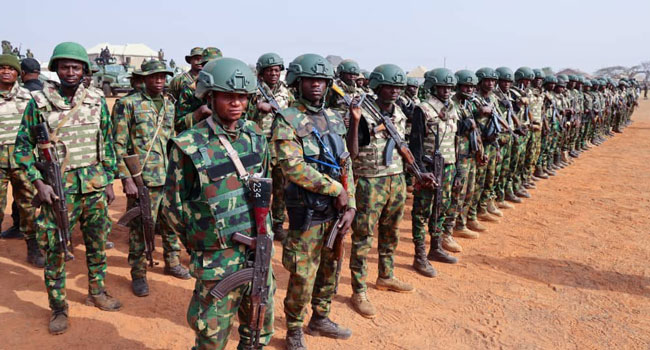
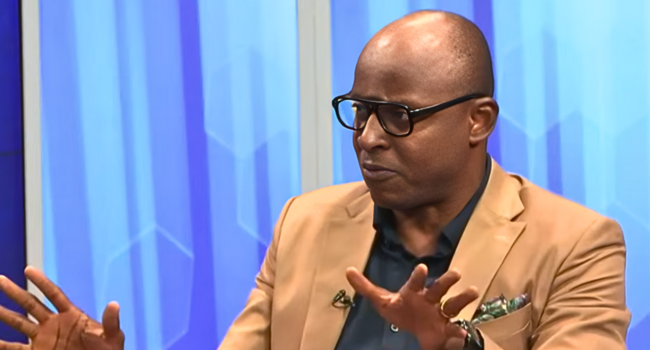
A security expert and Managing Director of Aqualine Intelligence and Defence Consulting, Onyekachi Adekoya, has warned that Nigeria’s military remains severely constrained by equipment shortages, despite being well-trained.
Adekoya stated this while appearing on Channels Television’s end-of-year special programme, 2025 in Retrospect: Charting a Pathway to 2026, which examined issues around politics, security, and the economy.
According to him, Nigerian troops are often forced to operate under extremely difficult conditions that are rarely made public.
“The military is trained. The police will not come and tell you that they do not have equipment, but the truth is that they do not have equipment. As it stands today, these guys are magicians; they will not tell you what they are going through,” he said.
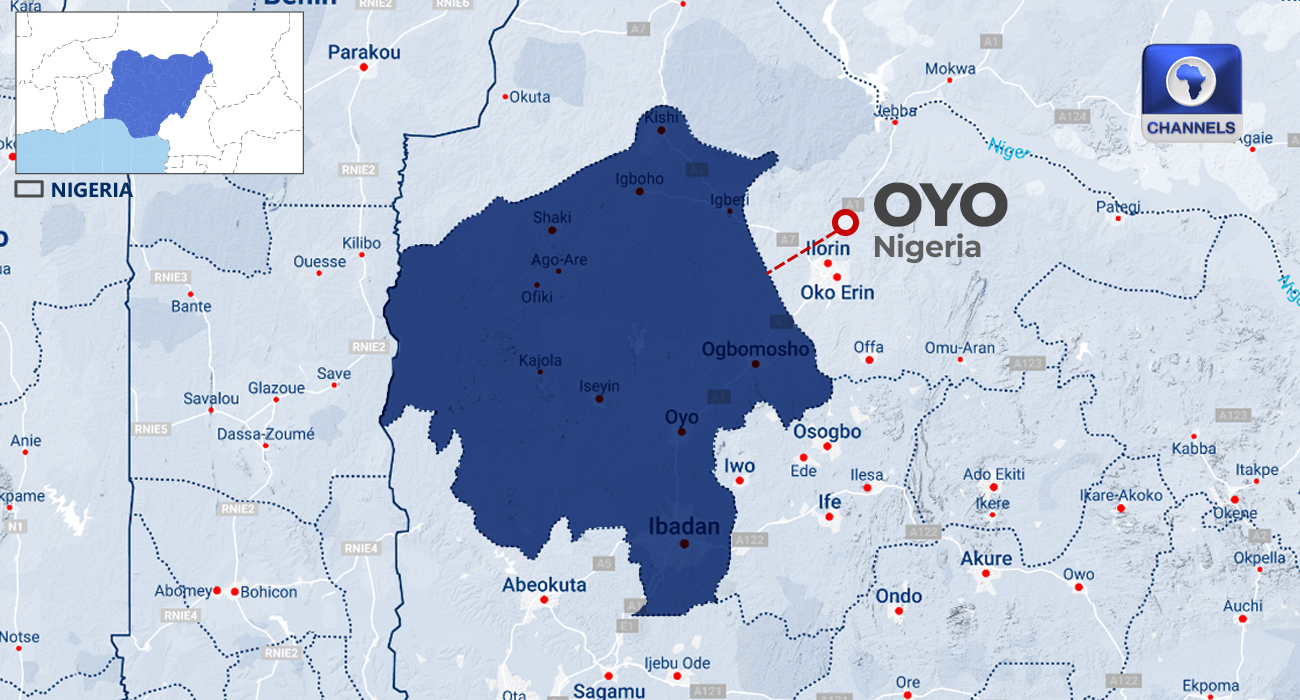
He cited a recent security operation in Kebbi State in the schoolgirls’ abduction, where soldiers reportedly carried out a tactical withdrawal, describing the decision as prudent under the circumstances.
“It was in Kebbi. There was a tactical withdrawal, which was the sensible thing to do. We do not understand convoy protection. You send a team out on a fighting patrol; first, they are fighting blind, and next, they are fighting unprotected,” Adekoya stated.
READ ALSO: [Insecurity] Nigerian Army Overstretched, Has No Basis Being On The Road – Prof Ikechukwu
 \
\
The security expert stressed that Nigeria’s defence challenges stem largely from the absence of a coherent national programme anchored on local capacity development.
“All of this is about creating a programme. If you had a programme, it would tell you that we need local industry and that we need to auction some of our defence capabilities. If you do not have a thriving local defence industry, you cannot be the giant of Africa; you cannot be importing everything,” he said.
ONSA Operational Role
Adekoya also faulted the structure and operational role of the Office of the National Security Adviser (ONSA), describing it as one of the major weaknesses within Nigeria’s security architecture.
“The Office of the National Security Adviser is one of the big problems that we have in Nigeria. That office should not have command. It should be a policy-led office, not a command function in any shape or form,” he said.
He explained that the office should be able to provide President Bola Tinubu with sound security advice and develop a functional national security programme that all security agencies can align with.
“It is from there that the President should be given the best possible advice on national security, creating a national security programme that works for the country, so the different arms of security and agencies can key into the overarching framework,” Adekoya added.
Referencing the law that established the office, he noted that its mandate has been overstretched.
“The 1986 Act that establishes the National Security Adviser’s office says it shall be a security adviser and aide to the President and coordinate, not command, the NIA, the DMI, and the DSS only. What we have today is that the National Counter Terrorism Centre sits with the ONSA alongside other command elements,” he said.
Adekoya dismissed claims that Nigeria lacks intelligence capacity, arguing that the country possesses multiple intelligence institutions.
He listed agencies such as the Department of State Services (DSS), the Nigeria Police intelligence directorate, the Defence Military Intelligence (DMI), and the Nigeria Security and Civil Defence Corps (NSCDC) as evidence that intelligence structures exist but require better coordination and policy direction.