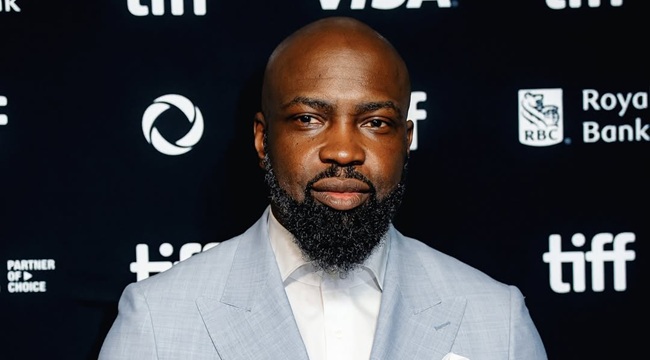
Nigerian lawyer and creative industry expert, Audu Maikori, has raised concerns over the challenges surrounding the distribution of music, products, and services in Nigeria.
The co-founder and former CEO of Chocolate City Group highlighted the difficulty Nigerians face in accessing goods and creative content, especially when compared to more developed markets where e-commerce and distribution systems operate seamlessly.
Maikori illustrated the problem with a personal experience involving a local hat vendor. According to him, the vendor’s lack of business structure and customer service ultimately led to a lost sale.
Drawing a comparison with cities like Los Angeles, he said consumers in more advanced markets can easily order products online and receive them almost immediately through platforms like Amazon.
“We can’t get products to people. We can’t get music to people. The platforms we’re talking about is distribution. We don’t own it. We don’t have it,” he said on The Afropolitan Podcast.
Maikori further questioned the systems in place to connect creators and businesses with consumers, particularly in the events space.
“Who’s fixing, getting the product to the people? How do I sell tickets for a concert without you coming there and knowing that when you get there, there’s a scanner that will allow you to walk into the space seamlessly?” he asked.
His comments were a pointer to wider concerns about Nigeria’s distribution ecosystem, which faces structural challenges despite rapid digital growth.
While Nigerian artistes such as Burna Boy, Wizkid, Ayra Starr, Davido, and Asake continue to achieve global success, the local market still grapples with issues such as inadequate infrastructure, piracy, limited access to digital services, and inefficient royalty collection systems.
Meanwhile, Maikori, who appeared on Channels Television’s Lunchtime Politics earlier in March, shared his vision for the “creative economy.”
He pointed out that despite the worldwide surge in Afrobeats, the sector’s contribution to Nigeria’s GDP remains relatively small, at about 0.33%.
The lawyer argued that the answer is a comprehensive reform of the Intellectual Property (IP) system.
“Intellectual property is closely linked to GDP growth, but in Nigeria, we have not been able to harness the IP regime. If I am blessed to be in the House, I will push for clearer policies.
“We need to push for centres of excellence and get multinationals making millions of dollars from our country to give a percentage back to grow the sector,” the ex-record label boss explained.