The M23 armed group said Tuesday it would withdraw from the key city of Uvira in the eastern Democratic Republic of Congo at the request of Washington, which vowed “action” over the “clear violation” of a US-brokered peace accord.
The Rwanda-backed militia seized the strategic city near the border with Burundi last Wednesday, days after the Congolese and Rwandan governments signed the peace deal in Washington — an agreement US President Donald Trump had hailed as a “great miracle”.
The M23’s advance has thrown the future of the peace process into doubt and raised fears of a wider regional war.
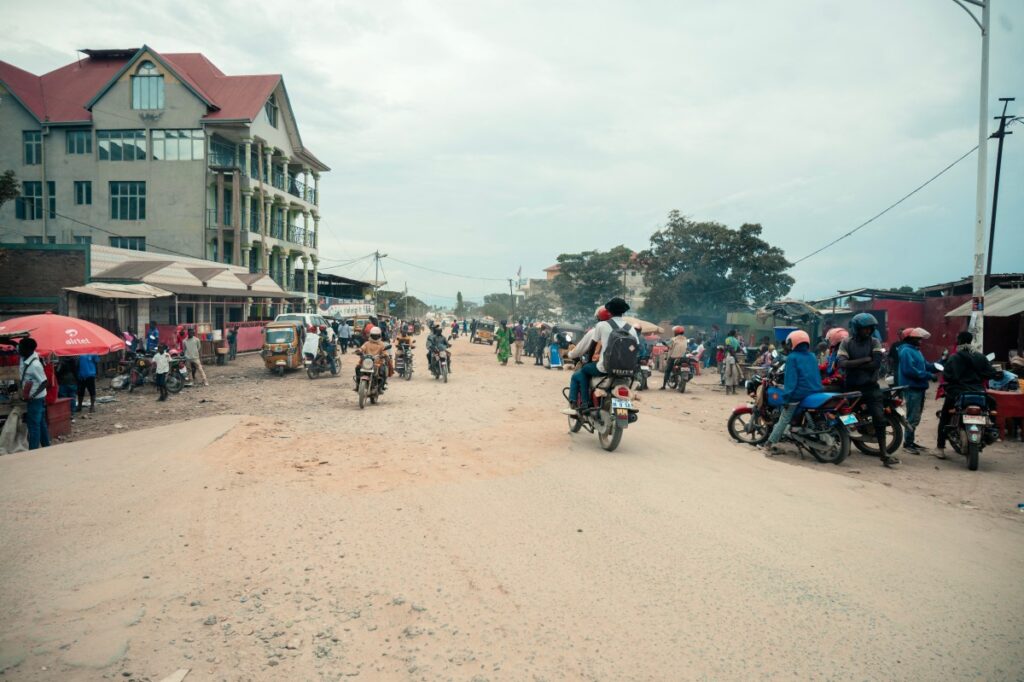
Its capture of Uvira — a city of several hundred thousand people — allowed it to control the land border with Burundi and cut the DRC off from military support from its neighbour.
US Secretary of State Marco Rubio said Saturday that Rwanda had clearly violated the peace agreement it signed with its neighbour on December 4, and vowed unspecified “action” in response.
A day earlier, US ambassador to the United Nations Mike Waltz accused Rwanda of “leading the region toward more instability and toward war”.
Leader of the M23’s political branch, Corneille Nanga, announced in a statement that the group would “unilaterally withdraw its forces from the city of Uvira, as requested by the US mediators”.
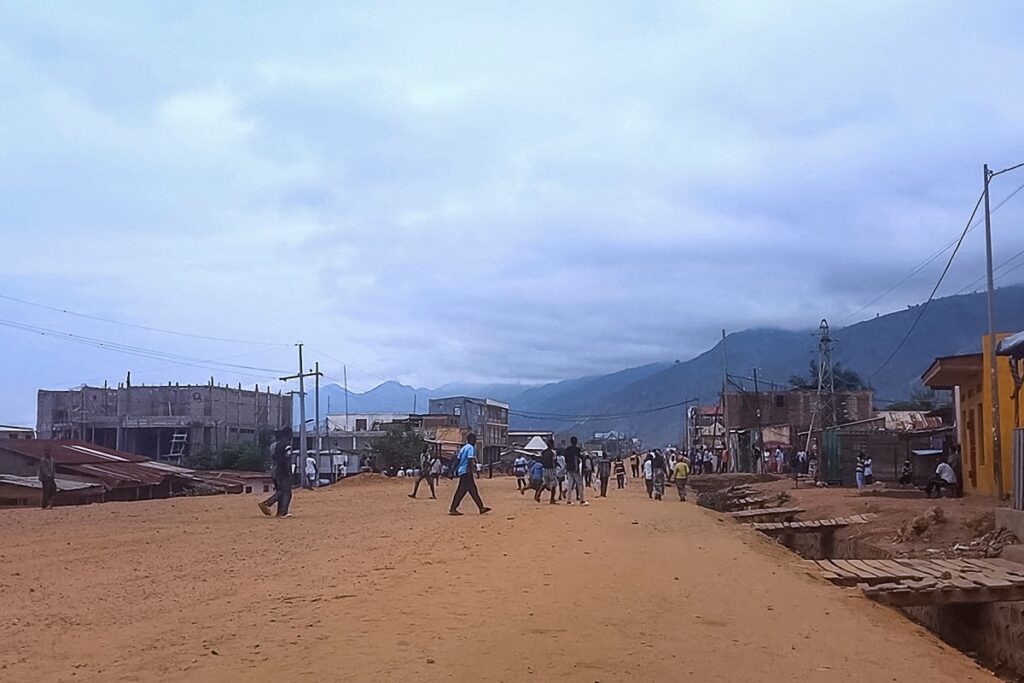
The group called for “adequate measures” to be put in place to manage the city, including “demilitarisation, protecting its population and infrastructure, and monitoring the ceasefire with a neutral force”.
It gave no details on the implementation of the measures.
READ ALSO: M23 Consolidates Control Of DR Congo City, Bodies In Streets
Instil Trust
The group also called for implementation of a framework ceasefire deal that was reached in a parallel peace process negotiated in the Qatari capital Doha, which was agreed in November but never respected on the ground.
The M23 said it was withdrawing as a gesture “to instil trustoto give the Doha peace process every chance to succeed”.
Rwanda denies giving the M23 military support, but argues it faces an existential threat from the presence in eastern DRC of ethnic Hutu militants with links to the 1994 Rwandan genocide of Tutsis.

The M23 has always denied links with Rwanda and says its aim is the overthrow of Congolese President Felix Tshisekedi’s government.
But UN experts say the Rwandan army has played a “critical” role in helping the M23.
The peace deal signed in Washington aimed to end three decades of conflict in the DRC’s mineral-rich east.
It includes an economic component intended to secure US supplies of critical minerals present in the region, as the United States seeks to challenge China’s dominance in the sector.
Besides gold and uranium, the DRC’s mines contain significant deposits of copper, cobalt, coltan, and lithium, with uses ranging from weaponry to mobile phones and electric cars.
Despite the peace efforts, both sides have accused the other of violating the ceasefire.
The M23’s takeover of Uvira was part of an offensive launched at the beginning of December in South Kivu province.
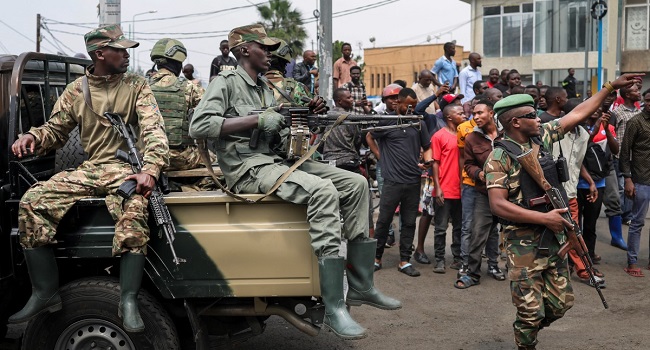
The offensive on Uvira left dozens dead, at least 100 wounded, and more than 200,000 displaced, according to NGOs and the UN.
It followed the capture early this year of two other major eastern cities, Goma and Bukavu.
AFP