 Delegates at the just concluded national conference in Nigeria say they will do everything in their power to ensure that the recommendations submitted to the President are implemented.
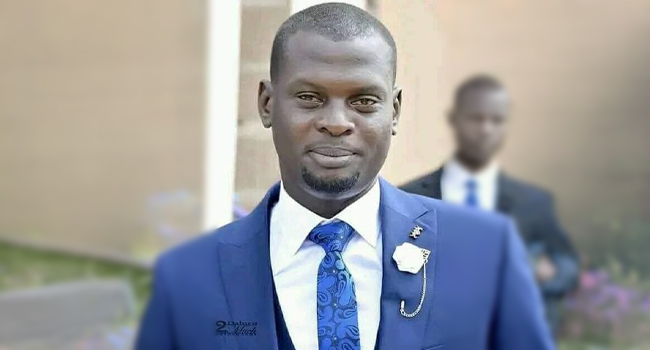
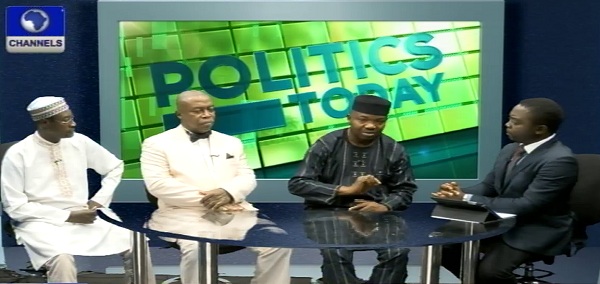
On a Channels Television’s programme, ‘Politics Today’, on Sunday, a delegate, and a member of the Afenifere group, Yinka Odumakin, said that 90 per cent of the delegates’ expectations were met and that anyone planning to stand on the way of the implementation would be called to order.
He said that the conference was the most profound since Nigeria’s independence and that the delegates would not let their efforts be a waste of time.
But as much as the recommendations have been submitted, moving to the next level – implementation of the report – is a source of concerns for Nigerians, as previous conference’s recommendations and similar resolutions were never implemented.
President Goodluck Jonathan has promised to implement the recommendations after it was handed over to him.
The delegates on the programme also expressed optimism that the recommendations would scale through, expressing their readiness to push for the implementation.
“We will go round the country to take the campaign to the people and woe betide anyone that will stand in the way of the implementation.
“It was a great moment for Nigeria when the President boldly assembled 492 Nigerians from diverse backgrounds to look at the future of the country. Despite criticisms, the President took the courage to put the conference together.
“Many issues that have been bottled up for 100 years were discussed. Many issues that were not touched by previous conferences were discussed. Different people came with different issues that were discussed and things that will move the country in a different direction were discussed,” Mr Odumakin said.
Another delegate, Goddy Uwazuruike, said that the conference received documents that showed that there were issues that were bottled up for over 100 years.
He said that the delegates would continue to push for the implementation of the recommendations, as they had put in their all to ensure that the recommendations were made.
A policy analyst, Galtima Liman, said that the outcome of the conference, in terms of national consensus, was a shock for most Nigerians.
He said that the outcome was a demonstration of the commitment of Nigerians to ensuring the unity of the nation, but said that the national viewership was taking away from the conference as a result of security challenges in the north-east.
“The National Conference has given Nigerians a voice to vent their bottled up grievances,” he said.
At the national conference, different issues came up, some of which were the proposed 18 new states, the need for all states to look at ways of developing the natural resources in their soil, true federalism and revenue sharing formula.
One major issue that the delegates found difficult to settle was that of the revenue sharing formula. However, the issue was referred to the President, Goodluck Jonathan, to handle through the setting up of a special committee to look at the issue.
Early last year and many months before then, one major clamour on the lips of many Nigerians, as a solution to the nation’s challenges, was “the need for us to talk”.
So many Nigerians have asked for the national conference and it came as a surprise to many when President Goodluck Jonathan on the October 1, 2013 announced that he had set up an advisory committee on the national conference. It was not a joke at all when the President moved swiftly to inaugurate the Femi Okunrounmu-led committee six days later.
And for another three months the committee sat and went round the country to consult on what Nigerians want from a national conference the committee submitted its report and in January of 2014, the Federal Government released modalities for the national conference
Several weeks, little was heard about the national conference until the March 17, the conference was inaugurated and the following day, the delegates held its first plenary.
Several controversies raged during the several proceedings and a major highlight of the conference was the setting up of committees
Twenty committees were set up and their deliberations are what eventually make up the eventual conference recommendations which was
submitted to the president