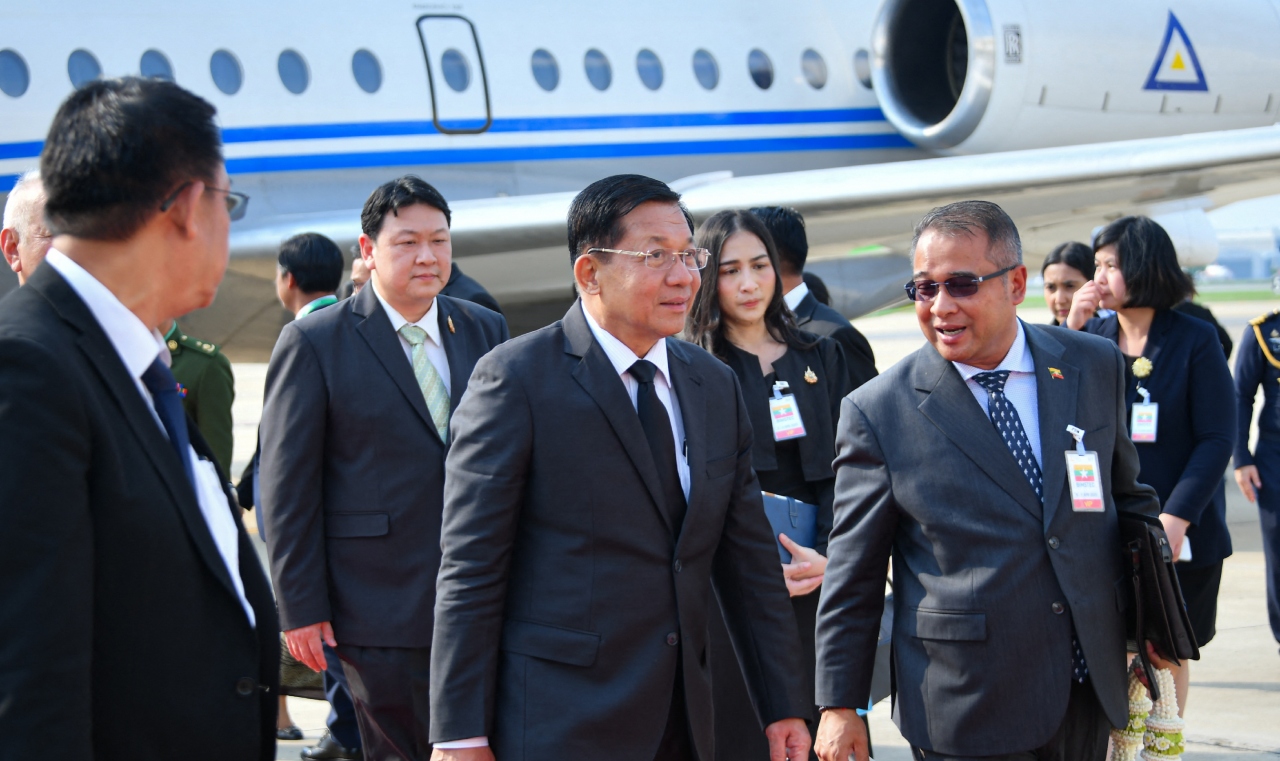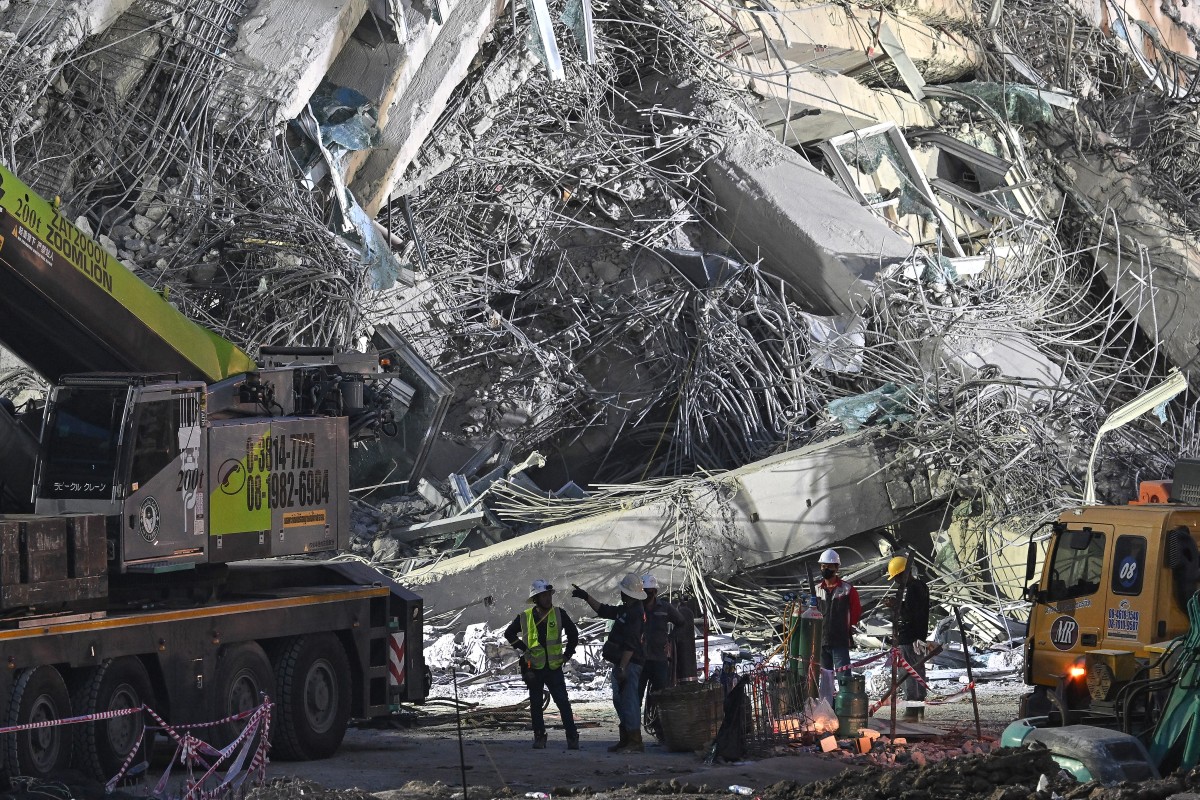
The United Nations rights office decried Friday attacks by Myanmar’s military despite a ceasefire declared following last month’s devastating earthquake, which killed more than 3,600 people.
“At a moment when the sole focus should be on ensuring humanitarian aid gets to disaster zones, the military is instead launching attacks,” spokeswoman Ravina Shamdasani said in a statement.
UN rights chief Volker Turk, she said, “calls on the military to remove any and all obstacles to the delivery of humanitarian assistance and to cease military operations”.
READ ALSO: Trump Says Ukraine War ‘Senseless,’ Tells Russia To ‘Get Moving’
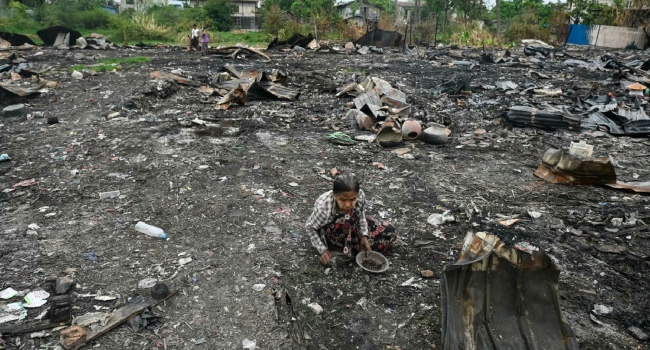
A multi-sided conflict has engulfed Myanmar since 2021, when Min Aung Hlaing’s military wrested power from the civilian government of Aung San Suu Kyi.
Following reports of sporadic clashes even after the March 28 quake that so far is known to have killed at least 3,645 people, the junta joined its opponents last week in calling a temporary halt to hostilities for relief to be delivered.
But Shamdasani highlighted that since the earthquake, “military forces have reportedly carried out over 120 attacks”.
“More than half of them (were) after their declared ceasefire was due to have gone into effect on 2 April,” she said.
The UN rights office had determined that most of these involved aerial and artillery strikes, she said, “including in areas impacted by the earthquake”.
“Numerous strikes have been reported in populated areas, many of them appearing to amount to indiscriminate attacks and to breach the principle of proportionality in international humanitarian law.”

‘Systematic and escalating’
Shamdasani pointed out that areas at the epicentre of the quake in Sagaing, particularly those controlled by opponents of the military, “have had to rely on local community responses for search and rescue, and to meet basic needs”.
“Clearly these valiant efforts need to be further supported,” she said, calling for “common efforts to assist those in greatest need”.
“In this spirit we call on the military to announce a full amnesty for detainees it has incarcerated since February 2021, including State Counsellor Aung San Suu Kyi and President U Win Myint.”
The UN’s Independent Investigative Mechanism for Myanmar (IIMM) also decried the attacks.
“Even as rescue workers searched for survivors during the devastating earthquake last month, the military continued its air attacks in Mandalay, Sagaing and other regions, killing and injuring civilians,” it said in a statement.
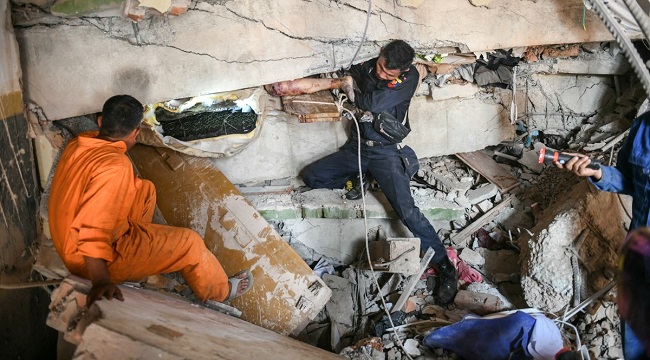
Nicholas Koumjian, head of the investigative team, slammed “the systematic and escalating use of air strikes by the Myanmar military across the country”, which “caused widespread death, destruction and displacement, and has terrorised communities”.
He said Friday marked the two-year anniversary of military strikes in the now quake-hit Sagaing region, which constituted the deadliest single attack in Myanmar since the coup.
The military air strikes on Pazi Gyi village on April 11 2023 killed at least 155 people, including many children.
“Aerial bombardments, including the use of drones and alleged use of chemical weapons, are a grim hallmark of the Myanmar conflict and have increased in frequency since the Pazi Gyi attack,” the IIMM statement said.
AFP