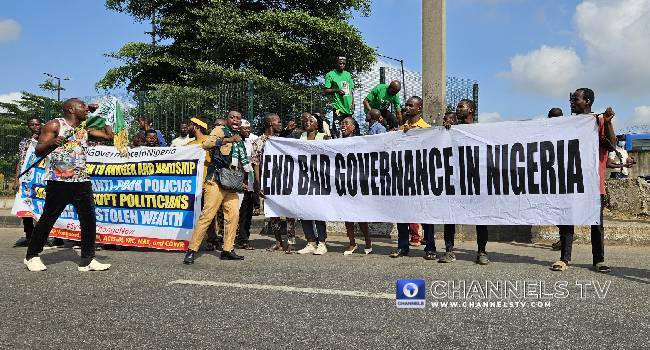
One year after the Nigerian police used lethal force and carried out mass arbitrary arrests of peaceful #EndBadGovernance protesters, the authorities have failed to ensure justice for victims and survivors.
This is according to Amnesty International in a statement posted on its website and social media handles on Friday.
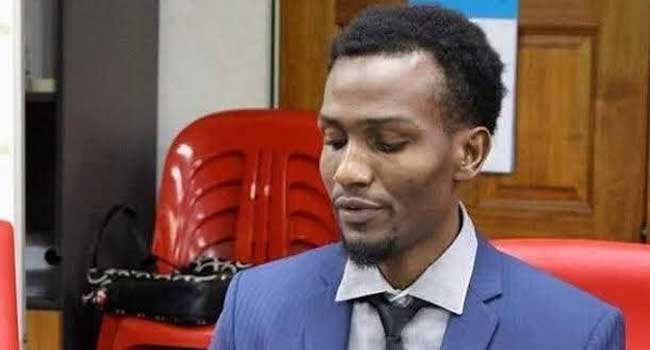
“The Nigerian authorities are yet to take appropriate and effective measures to respect, protect, promote and fulfil the rights to freedom of expression and peaceful assembly,” said the Director of Amnesty International Nigeria, Isa Sanusi, in the statement.
“Amnesty International found that the police fired live ammunition at close range, often at the head or torso, suggesting that officers were shooting to kill.
“Two survivors suffered injuries after being shot by police in the arm and legs, while others were suffocated by the indiscriminate use of tear gas.
“Some protesters were tortured and punished with starvation while in detention, leading to the collapse of minors facing trial before the Federal High Court Abuja on November 1, 2024.
READ ALSO: Academic Activities Crippled In LASU As ASUU, SSANU Commence Indefinite Strike
“The Nigerian authorities pressed on with all charges brought against #EndBadGovernance protesters despite overwhelming evidence that they did not break any law.”
The organisation said several #EndBadGovernance protesters were convicted and sentenced to community service, caning, or imprisonment after a sham trial on bogus charges in Maiduguri, Borno State.
The charges included forming a group named ‘Zanga Zanga’ Group and agreeing to take up arms against the government.”
In Abuja, Amnesty stated that several #EndBadGovernance protesters continue to face sham trials in a Federal High Court.
According to the watchdog’s investigation, the Nigerian police killed at least 24 people between August 1-10, 2024, in Kano, Jigawa, Katsina, Borno, Niger, and Kaduna states.
Several protesters were also said to have been convicted, allegedly based on bogus charges, while trials continue in Abuja, Kano, Jigawa, Katsina, and Kaduna states.
The protests were sparked by widespread discontent among Nigerians over various economic and governance issues, driven by economic hardship, fueled by skyrocketing inflation and high food prices, as well as the hike in the price of fuel in the country.