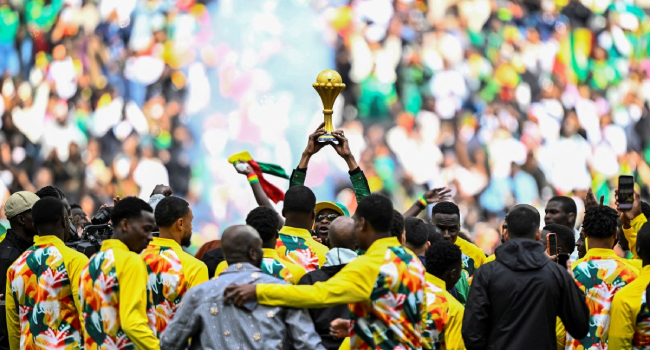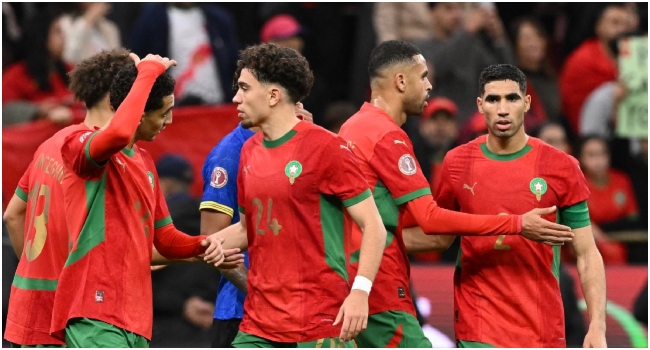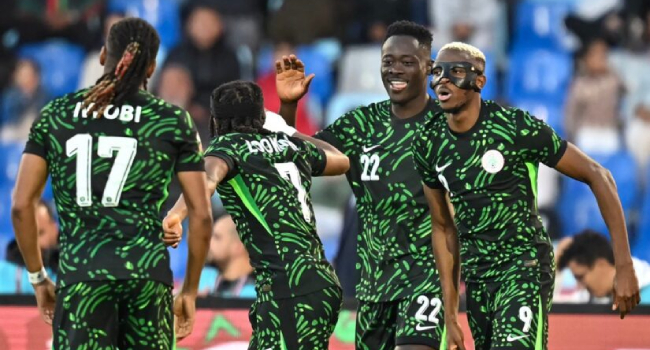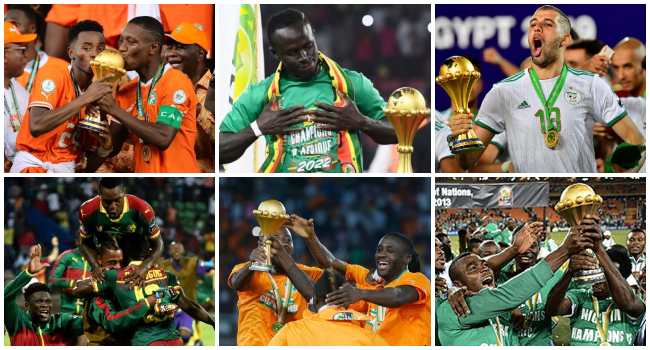
Come December 21, all roads will lead to Morocco, where the very best of African stars will gather to claim the sole bragging rights of being crowned African Cup of Nations (AFCON) champions.
For millions of Africans, the AFCON is not just a tournament; it is a celebration of identity and collective memory. It carries with it decades of culture, passion and hope.
To many players, winning the trophy is the highest honour not just for them, but for their families, communities, and entire nations, and sets the stage for what could be their biggest year yet heading into 2026.
READ ALSO: [AFCON 2025]Osimhen, Lookman, Others Who Could Shape Nigeria’s Title Push

As a member of the 1994 winning team, Augustine Jay-Jay Okocha once said when asked what AFCON means to an African footballer, “It’s very important for an African footballer because nothing is more beautiful than knowing that you are an African champion, that you are the best team in Africa.”
AFCON taps into a deep emotional well: the pride of representing one’s country, the joy of national unity, which cannot be replicated by any club competition.
Audition Ground For Talents
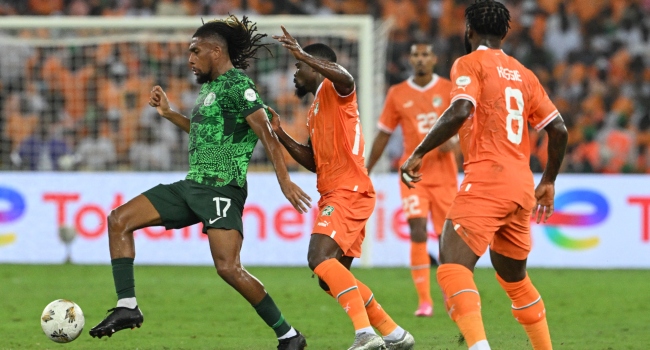
One of AFCON’s greatest benefits to African players is the exposure it provides. Scouts, managers, and agents from around the world come to Africa to closely observe the top talent: lethal strikers, skilled midfielders, solid defenders, and dependable goalkeepers.
Some of Africa’s finest talents have used the tournament as a platform to secure a move to European football, thanks to strong performances.
RELATED: Osimhen: From Lagos Newspaper Seller To Stardom With Nigeria
One of such was 17-year-old Julius Aghahowa, who emerged as the breakout sensation of the 2000 AFCON, where Nigeria reached the final on home soil.
It was a performance that instantly etched his name into AFCON folklore, a fearless, somersault-celebrating youngster who looked destined for global stardom.
Who would have guessed that the player who would hand Nigeria its third African title would be a relatively unknown NPFL Warri Wolves forward, in the likes of Sunday Mba.
Mba’s talent was evident after scoring an impressive winner against the Ivory Coast in the quarterfinal.
AFCON remains one of the most effective pathways for African talent to shine, for players from lesser-known leagues, for those from domestic clubs, and for youth players wanting a shot at greatness.
Unity, Responsibility
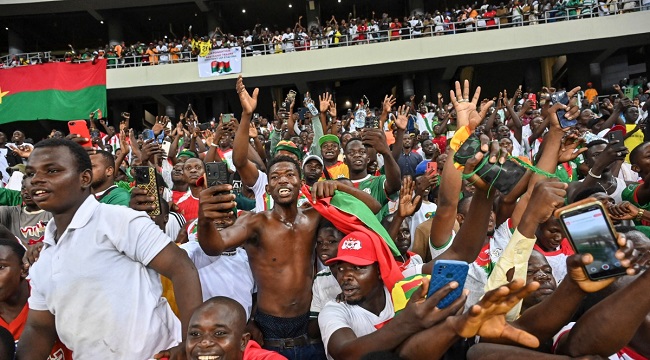
In a continent where countries often have diverse ethnic groups, languages, and political differences, what better way to unite a continent than football?
It is no wonder the great nationalists such as Nelson Mandela, Kwame Nkrumah and Nnamdi Azikiwe greatly invested in African football as a tool to push forth their visions and ambitions of a united Africa.
When AFCON kicks off, citizens rally behind one flag and one team, creating a sense of collective identity that goes beyond everyday divisions.
As former Zambian captain Christopher Katongo put it, “Winning AFCON … changed everything — not just for me, but for our entire country and for how people viewed African football.”
For the players, this national togetherness creates a deep sense of responsibility and inspiration.
They understand that millions of people, across all backgrounds, are united behind them. That weight fuels their passion, effort, and pride in wearing national colours.
Unlike club football, where loyalty is divided among different teams, AFCON gives players the chance to carry the hopes of an entire nation. This powerful connection between the team and the people is what makes AFCON so special in strengthening national unity.
Financial Security, Stability
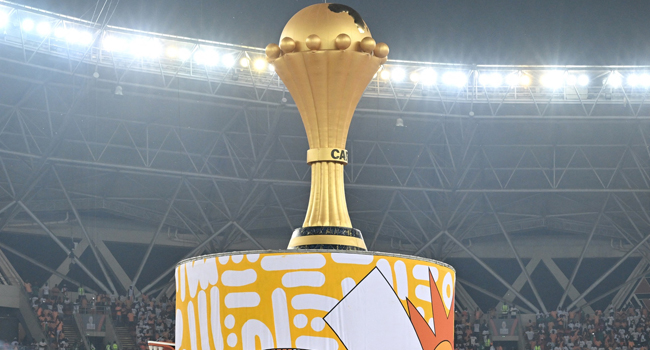
The financial benefits that come with participating in the AFCON are a major reason why the tournament matters deeply to players across the continent.
National federations usually provide bonuses for qualification, match wins, and progression through the stages, giving players a chance to earn meaningful rewards in a short period.
These payments can be especially significant for players who come from modest backgrounds or who play in leagues where salaries are not very high.
Beyond the bonuses, the tournament also exposes players to immense media coverage and sponsorship deals.
Brands across Africa and beyond look to associate with breakout stars and national icons during the tournament. A player who performs well might attract endorsements ranging from sportswear to consumer products, creating additional income streams. This visibility can elevate a player’s profile in the business world and set the stage for long-term financial partnerships.
For many players still working toward major club opportunities, AFCON can be the breakthrough that changes their economic future.
Financial stability also comes from the security players gain when their market value rises. Performing well on the continental stage can strengthen their negotiating power with their current clubs and transform lives.
Shot At 2026 World Cup

With the world now looking toward the 2026 FIFA World Cup, AFCON’s significance has become even more strategic.
Almost all African players want a chance at glory on the world stage, and AFCON offers this, as a good showing can directly influence national team selections, draw attention from bigger clubs, and build momentum for the remaining World Cup qualifiers and beyond.
Despite recording nearly two billion viewers during the 2023 edition, according to Patrick Motsepe, president of the Confederation of African Football(CAF), many still view the tournament as lesser than the Euros and the COPA América.
“The Africa Cup of Nations is as big as the Euros… It’s what inspires African players to greatness,” a former Nigerian international, Mikel Obi, said on The Obi One Podcast.
As African football continues to grow in infrastructure, coaching standards and global visibility, a strong AFCON is a statement that Africa is ready, competitive, and deserving of its place on the global stage.
Celebrating African Style, Roots

When many players think of AFCON, they think of a stage where Africans style and shine unapologetically. It encompasses a football style played with creativity, spontaneity, and emotion.
Basically, AFCON holds nostalgia of one returning to his roots, playing the game the way they first learned.
One of the biggest elements celebrated at AFCON is its flair. Many of Africa’s great stars the likes as Jay Jay Okocha, Sadio Mane, Mohammed Salah, Christopher Katongo and others street football traditions influenced how players move and think on the ball.
At AFCON, this expression is not seen as risky; it’s celebrated. Fans expect players to dazzle, and players feel empowered to embrace the artistry that defines African football.
The tournament won’t be complete without its blend of physicality, speed, and rhythm that characterise the African game. From box-to-box midfield battles to lightning-fast wingers, AFCON showcases athleticism rooted in intensity and resilience.
This rhythm, a blend of speed, strength, and coordinated team movement, reflects the continent’s competitive spirit. Players take pride in showing that African football is both beautiful and powerful.
AFCON also acts as a cultural celebration, where football is fused with music, dance, and national identity. Stadiums vibrate with drums, vuvuzelas, chants, and traditional songs that make the atmosphere unlike any other tournament.
For players, hearing those sounds gives them a sense of belonging and responsibility. They don’t just represent a team, they represent a people, their traditions, and their way of seeing football.