From Nepal to Peru, Morocco, and Madagascar, brandishing the symbol of a skull and crossbones in a straw hat, Gen Z protesters across the world stood up to authorities in 2025, even toppling two governments.
More typically used to refer to a generation born between the late 1990s and late 2000s, the term Gen Z this year became associated with rebellions led by youth frustrated with issues like unemployment, poverty, and inequality.
Young people took to the streets and rattled governments across three continents: Latin America, Asia, and Africa, where 60 percent of the population is aged under 25, according to UN figures.
READ ALSO: Morocco Student Gets One Year In Prison Over Gen Z Protest
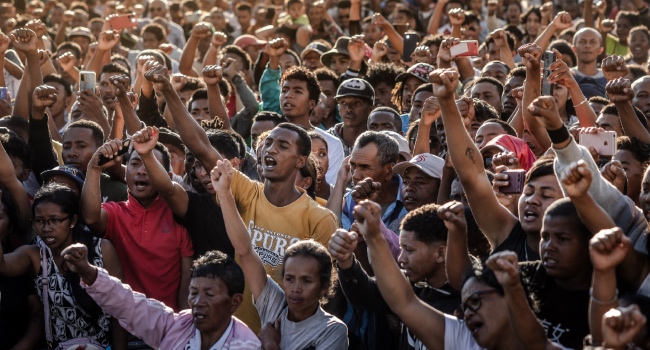
AFP journalists spotted the pirate-like emblem, taken from the wildly popular Japanese manga series “One Piece”, at protests in more than a dozen countries.
In two of them — Madagascar and Nepal — the governments fell.
“I grew up with ‘One Piece’, like the vast majority of Gen Z, so it became a symbol for us,” said a 26-year-old protester in Madagascar who would give their name only as Kai.
It had come to mean resistance against “oppressive governments”, Kai said.

There have been other youth-led protests, such as the anti-austerity Indignados Movement that kicked off in Spain in 2011 and the Arab Spring uprisings launched in 2010.
But the Gen Z movement was different in its use of social media such as Discord, Instagram, and TikTok to mobilise in real-time ever-connected youngsters who then brought in other sectors of society, said University of Montreal sociologist Cecile Van de Velde.
It also transcended local issues in an aspiration to become “the new face of a global and generational revolt,” said the professor, who specialises in issues related to youth.
– Local To Global –

The Gen Z uprising in Madagascar followed shortly after similar protests in Nepal in September 2025.
“Nepal paved the way. We saw what happened, the flag raised, the links made with ‘One Piece’,” said Elliot Randriamandrato, a spokesman for the Madagascar movement.
“And we said to ourselves: that’s it, enough is enough,” he told AFP.
In all of the countries, the spark was local. In Indonesia, there were low wages, unemployment, and police violence; in Nepal, corruption among the elite and social media bans.

Madagascar’s youth first rallied against persistent and chronic water and electricity cuts; in Morocco, it was inequalities in education and health; in Kenya — where the name Gen Z was already attached to 2024 protests — it was new taxes.
“In the triggers of the protests, there is first the will of young people to stand up for the essential needs of their communities, their refusal to be dispossessed of the basics for survival: health, security, political representation,” said Van de Velde.
“These local demands show the common stand against the plundering and abuses of governments and the economic and political oligarchy that governs them,” she said.
Mixed Results

As the rebellions calmed towards the end of the year, the aftermath has been mixed for the young people who inspired them.
In Madagascar, the army took power after the president fled. It appointed a government heavily composed of political insiders, to the dismay of the Gen Z groups.
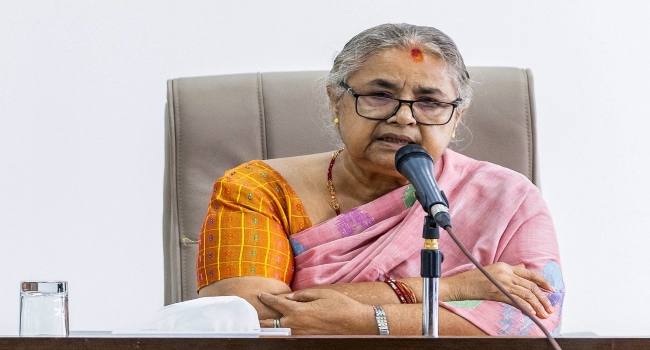
But in Nepal, an interim prime minister was appointed after a vote on Discord and has set up a commission to shed light on the deaths of dozens of young people during the violence.
In Morocco, protesters won some pledges for social reforms, including improvement to health care and education, but by the end of October, more than 2,400 people — including over 1,400 in detention — faced prosecution.
And while the activist core of the various Gen Z movements is organised, their spontaneous, loose structure and lack of leadership have not translated into the creation of political projects beyond the initial demands.
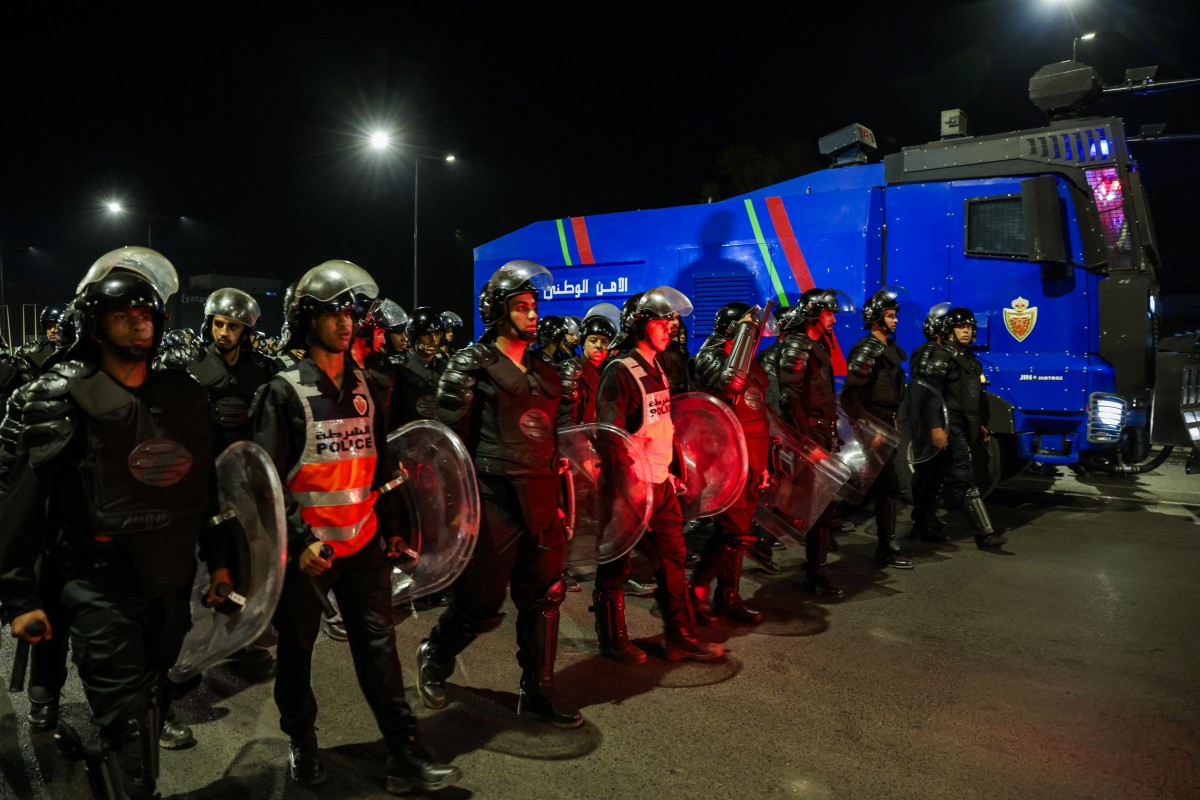
Many of the movements have also faced a massive and often-violent police repression.
In Nepal, “we are in the second phase of the movement” leading up to the elections scheduled for March 2026, said one of the protesters, Yujan Rajbhandari.
Still targeting corruption, the new vision encompasses a drive to raise awareness about voter registration, he said, adding: “We won’t stop.”

AFP