 Experts in environmental waste disposal have called for a concrete and effective waste management system in Nigeria to eliminate the huge environmental waste burden in the country.
Speaking at a meeting with lawmakers on environmental and health hazards caused by waste in Nigeria, an environmentalist and technology expert, Prof. Oladele Osibanjo, said that it was time product manufacturers and distributors were compelled to take full charge of the life cycle of every product brought into the Nigerian market.
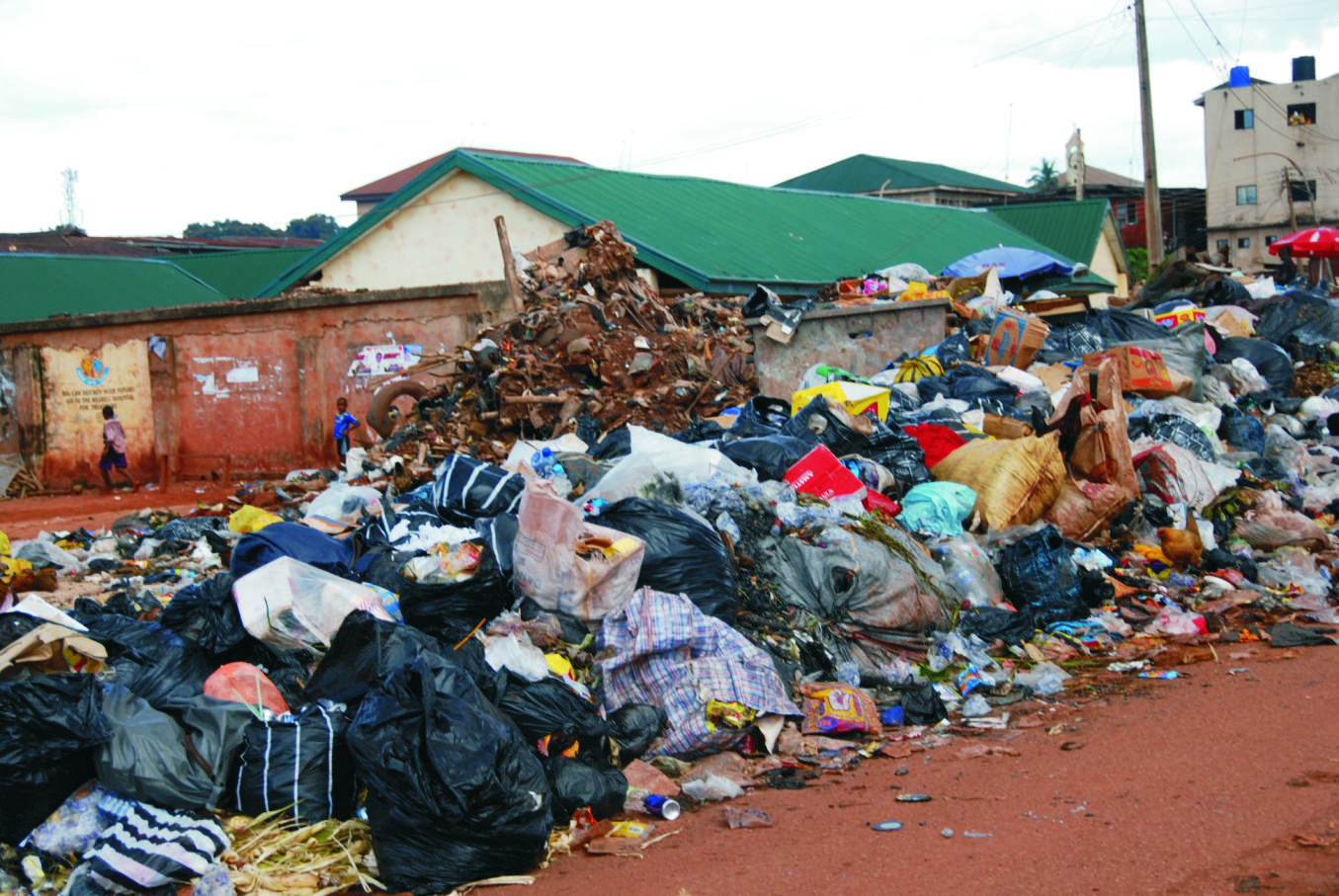
Millions of metric tonnes of solid waste materials, especially food and beverages and electronic wastes litter the cities in Nigeria as a result of weak enforcement and poor waste management culture.
Prof Osibanjo noted that about 50 million metric tonnes of electronic waste containing precious metals such as gold and silver are capable of generating more employment if adequately harnessed are produced annually in Nigeria.
He added that Lagos alone accounts for 9000 metric tonnes of solid waste such as plastics, bottles, cellophane and discarded electronics poorly disposed and causing health hazards.
He also advocated for the extension of the manufacturers’ responsibility beyond the factory gates, urging them to create economic incentives to achieve set targets for waste collection, re-use and recycling.