At least 44 million teachers are approximately needed to achieve universal primary and secondary education by 2030.
This is according to recent data by the European Union and United Nations Educational, Scientific and Cultural Organization (UNESCO).
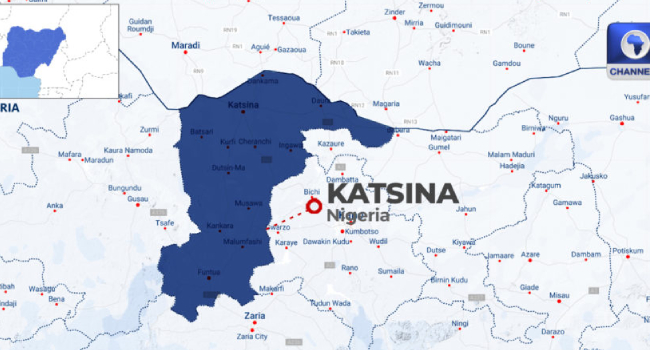
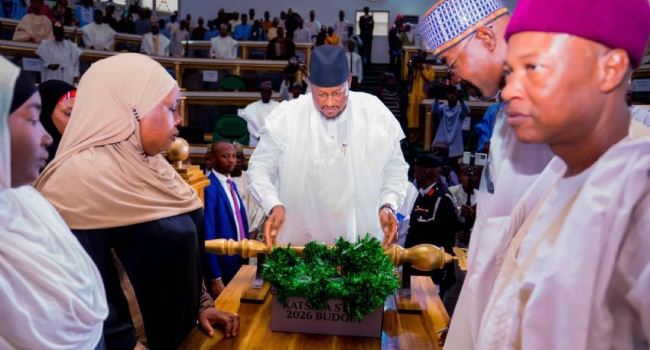
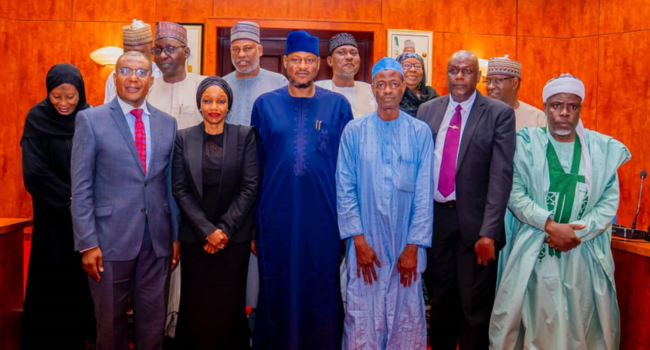
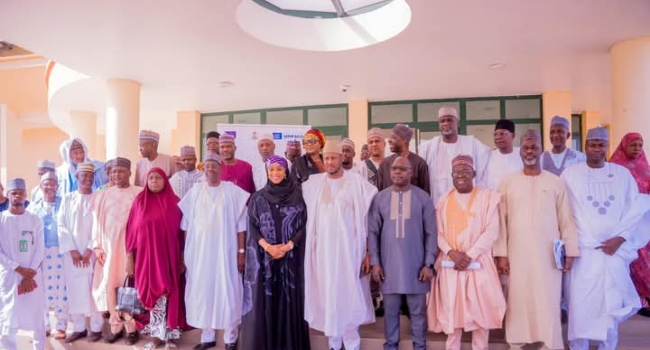
The UNESCO, Abuja Office Head, Albert Mendy, disclosed this on Tuesday at the Katsina State Government House Banquet Hall, during the launching of EU-UNESCO project titled, “Expanding, Integrating, and Strengthening Systems (EISS).
According to the UNESCO Head, a needs assessment was earlier conducted in Katsina State, emphasizing that the pivotal role of teachers in achieving Sustainable Development Goal 4 has become increasingly apparent as the 2030 Agenda deadline approaches.
READ ALSO: Katsina Govt Flags Off Disbursement of Over ₦8.4bn School Improvement Grant
He said the project, designed to build teachers’ capacity and resilience, also seeks to expand access to quality education, especially in rural and underserved areas, and improve teacher training and curriculum development to meet global standards.
Mendy explained that the project is a joint initiative between UNESCO and the European Union to address critical challenges in the education sector, particularly the global shortage of teachers.
Albert while commending the collaborative approach from the Kastina State Government, with Governor Radda providing critical support and an enabling environment for implementation, noted that the project will deploy a resident Programme Assistant in Katsina to ensure active engagement and project implementation.
In his keynote address, the Katsina State Governor, Dikko Radda assured UNESCO of his administration’s readiness to ensure vulnerable groups in the state have access to quality education.
He described education as the foundation of progress, adding that no society can thrive without an educated and empowered population.
Governor Radda reiterated that the project aligns perfectly with the administration’s vision of inclusive and quality education, particularly for vulnerable groups including girls, persons with disabilities, and out-of-school children.
He therefore directed the Katsina State Commissioner for Basic and Secondary Education, Zainab Musawa, to provide office accommodation for the project team as soon as possible to facilitate smooth operations.
“We are working to strengthen collaboration with stakeholders, communities, and the private sector to further expand the reach and impact of this initiative,” Radda added.

Earlier in her address, Musawa, called for broad collaboration, stating that the project’s success depends on the collective commitment of government agencies, international partners, school administrators, teachers, parents, and students.
She emphasized that the project is particularly timely, addressing global challenges in education, including teacher capacity building and systemic improvements.
“This project represents a collaborative effort between the Katsina State Government, UNESCO, and the European Union to transform educational opportunities for young people,” she noted.